
5 Living Room Renovation Ideas to Boost Your Home Value in 2026 opens a pathway to transforming your living space into a stylish and functional haven. As the real estate market evolves, homeowners are increasingly seeking renovations that not only enhance aesthetics but also elevate property value. In this article, we will explore innovative concepts from open-concept designs to smart technology integration, offering insights into how these renovations can create inviting, multifunctional spaces that resonate with modern homeowners.
Embracing these renovation ideas can significantly impact both the functionality and market appeal of your home. As we delve deeper, you’ll discover practical strategies for optimizing space, elevating design aesthetics, and ensuring your living room becomes a pivotal factor in enhancing your overall property valuation.
Transforming Your Living Room with Open Concept Design
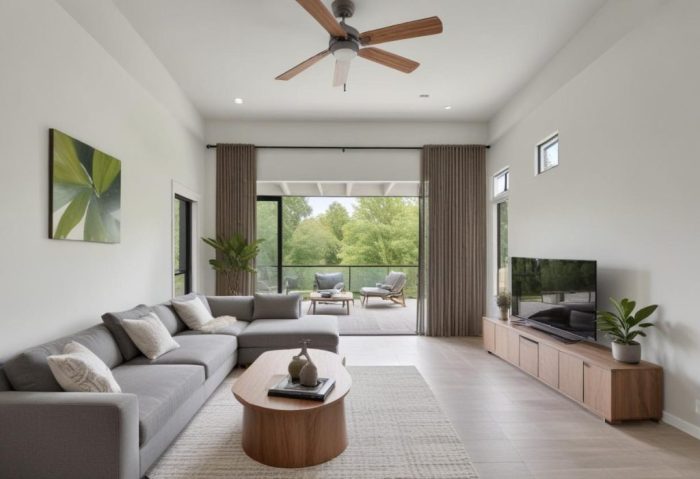
The trend of open concept living spaces has gained significant popularity in recent years, and for good reason. An open concept design can completely transform your living room, making it feel more spacious and inviting. By removing unnecessary walls, homeowners can create a seamless flow between the living room, dining area, and kitchen, enhancing both functionality and aesthetic appeal. As we look ahead to 2026, embracing this design philosophy can also positively impact your home’s value, making it an appealing choice for prospective buyers.An open concept design enhances the perception of space, allowing for a more fluid interaction between different areas of the home.
Walls can often create a boxed-in feeling, making a room seem smaller than it is. By eliminating these barriers, you can expand the visual sightlines, thus creating an airy and expansive environment. This is particularly beneficial in homes that may have limited square footage. Additionally, removing walls facilitates better airflow and improves natural light distribution, making the living space more comfortable and inviting.One of the primary benefits of an open concept design is the influx of natural light that can brighten up your living room.
When walls are taken down, sunlight can penetrate deeper into the home, illuminating areas that previously may have been dark or poorly lit. This natural light not only enhances the ambiance but can also create a healthier living space, reducing reliance on artificial lighting. In turn, better airflow can be achieved as well, promoting a fresher atmosphere by allowing air to circulate more freely throughout the interconnected spaces.To optimize space and improve functionality, consider several layout changes when transitioning to an open concept design.
Common configurations include the integration of the living room with the kitchen and dining areas. For instance, placing an island or a breakfast bar between the kitchen and living room can create a natural boundary while providing additional seating and workspace. This setup encourages family interaction and socializing, making it ideal for entertaining guests.Another effective layout change is using multi-functional furniture, such as a coffee table that doubles as storage or a sofa that can be rearranged into different configurations.
This flexibility not only maximizes the use of space but also allows homeowners to adapt their living room to suit various activities, from hosting gatherings to enjoying quiet evenings at home.In summary, transforming your living room with an open concept design can significantly enhance its appeal and utility. By fostering a connection between spaces, allowing for increased natural light and airflow, and implementing thoughtful layout changes, homeowners can create a welcoming environment that is both functional and stylish.
Such renovations not only elevate the living experience but also contribute to boosting the overall value of your home in the competitive real estate market of 2026.
Incorporating Smart Technology into Living Room Renovations
In the modern home, the integration of smart technology into living room renovations not only enhances comfort and convenience but also significantly boosts home value. As we move further into 2026, technology continues to evolve, offering homeowners innovative solutions to create a more functional and enjoyable living space. From smart lighting systems to advanced entertainment setups, these technological enhancements can transform the way residents interact with their homes.Smart lighting and thermostats are two key components of this revolution.
Smart lighting systems allow homeowners to customize their lighting based on time of day, mood, or activity. Utilizing LED bulbs paired with motion sensors and smartphone apps, these systems can adjust brightness or color temperature effortlessly, saving energy and enhancing ambiance. Such systems can reduce energy consumption by up to 40%, as homeowners can schedule lights to turn off when rooms are unoccupied or dim lights when natural light is sufficient.
Smart thermostats work hand-in-hand with lighting to optimize energy efficiency. These devices utilize algorithms and learning capabilities to understand residents’ habits, adjusting heating and cooling based on occupancy patterns. For instance, a smart thermostat can lower the temperature when no one is home and gradually warm up the house before residents return, thus conserving energy without sacrificing comfort. According to studies, homes equipped with smart thermostats can see energy savings of 10-15% annually, translating to substantial savings over time.
Integration of Smart Speakers and Entertainment Systems
The inclusion of smart speakers and integrated entertainment systems elevate the living room experience, creating a hub for leisure and relaxation. Smart speakers, such as Amazon Echo or Google Nest, provide voice-activated controls for music, news, and even household tasks, streamlining daily routines. The benefits extend beyond convenience; these systems can enhance home automation integration, allowing users to control lighting, security, and climate all from a single command.
This interconnectedness fosters an immersive home environment, where entertainment options are readily accessible and customizable.Moreover, modern entertainment systems can be tailored to fit any lifestyle. With the rise of smart TVs and streaming devices, users have access to a plethora of content. These systems often include features like surround sound capabilities and 4K resolution, providing an unparalleled viewing experience that rivals traditional theaters.
Additionally, the aesthetic appeal of integrated systems cannot be overlooked. Many homeowners opt for sleek, minimalistic designs that complement their living spaces, reducing clutter and creating a harmonious environment. As technology advances, the possibilities for creating a sophisticated living room experience continue to expand, emphasizing the importance of incorporating smart technology into renovations.
Sustainable Materials for Eco-Friendly Living Rooms
In the contemporary home renovation landscape, integrating sustainable materials is not merely a trend but a necessity that aligns with environmental consciousness and enhances property value. As homeowners seek to modernize their living spaces in 2026, the emphasis on eco-friendly materials presents an opportunity to create not only aesthetically pleasing environments but also healthier and more sustainable homes.A key aspect of choosing sustainable materials lies in their ability to contribute to energy efficiency and reduced environmental impact.
Homeowners are increasingly prioritizing options such as reclaimed wood, bamboo, and recycled metal, which offer durability while minimizing resource depletion. These materials not only serve as appealing design elements but also play a significant role in increasing a property’s marketability. Research indicates that homes featuring eco-friendly renovations can attract higher bids and faster sales, as buyers are drawn to sustainable living options.
Benefits of Using Local Materials
Sourcing locally produced materials for living room renovations is vital for several reasons. First and foremost, it reduces the carbon footprint associated with transportation and promotes the local economy by supporting nearby artisans and suppliers. Additionally, locally sourced materials often come with a lower environmental impact due to more sustainable harvesting and production methods.When considering local materials, various options become available, which can add unique character to living spaces.
- Reclaimed Wood: Sourced from old barns, factories, or homes, reclaimed wood not only adds warmth and charm to a living room but also prevents deforestation. Each piece tells a story, giving the space a unique, rustic appeal.
- Bamboo: A rapidly renewable resource, bamboo is an excellent alternative to hardwood. It grows back quickly and can be harvested sustainably, making it an eco-friendly choice for flooring and furniture.
- Recycled Metal: Utilizing recycled steel or aluminum can add a modern touch to living rooms. These materials are strong, durable, and can be formed into various shapes and finishes, enhancing overall aesthetics.
- Natural Stone: Locally quarried stone, such as slate or granite, is ideal for countertops and decorative elements. Its natural beauty and durability make it a timeless choice that also supports local businesses.
- Low-VOC Paints and Finishes: Local manufacturers often produce paints and finishes that are free from harmful volatile organic compounds (VOCs). These products ensure better indoor air quality without sacrificing color or aesthetic appeal.
Sourcing materials locally not only promotes environmental sustainability but also fosters community relationships and preserves local craftsmanship. By investing in regional products, homeowners can create spaces that reflect their values while enhancing the intrinsic value of their properties. Moreover, as the demand for sustainable living grows, homes that feature locally sourced materials are likely to stand out in the real estate market, appealing to eco-conscious buyers and potentially commanding higher prices.In summary, the integration of sustainable materials in living room renovations is crucial not only for environmentally responsible living but also for enhancing property value.
By choosing local resources, homeowners can play a pivotal role in promoting sustainability within their communities while creating beautiful and functional living spaces that resonate with the eco-friendly mindset of 2026.
Designing Multi-Functional Spaces for Modern Living
As living spaces become more compact and the needs of homeowners evolve, designing multi-functional living rooms is essential for maximizing both utility and comfort. These versatile areas can accommodate a variety of activities, from relaxation to work, while also serving as a hub for entertainment. By integrating thoughtful design elements, homeowners can elevate their living rooms to meet the demands of modern life, ultimately boosting property value.Incorporating furniture that transitions seamlessly between multiple uses is key to achieving a multi-functional living room.
This approach not only enhances usability but also promotes a clutter-free environment. Furniture pieces like modular sofas, which can be rearranged to suit different needs, play a significant role here. For instance, a sectional sofa can be split to create separate seating areas or pulled together for a cozy family movie night. Additionally, ottomans with storage capabilities can serve as footrests, extra seating, or even coffee tables, depending on the occasion.
Another valuable element is the use of foldable or expandable dining tables that can transform a casual setting into a more formal space when guests are present. These tables can seamlessly fit into a living room setup, offering flexibility without compromising style. Additionally, stackable chairs can be easily tucked away to free up space when not in use, making them a practical choice for smaller areas.
Importance of Zoning in Modern Living Rooms
Zoning is an essential strategy in creating distinct areas within a multi-functional living room. This technique helps delineate spaces for relaxation, work, and entertainment while maintaining a cohesive overall aesthetic. Effective zoning can be achieved through various means such as furniture arrangement, area rugs, and even lighting.Using area rugs to define different zones is an effective technique. For example, a plush rug can signify a cozy reading nook, while a sleek, modern rug can delineate the work area.
By visually separating these spaces, homeowners can create an atmosphere conducive to various activities without feeling chaotic.Lighting also plays a critical role in zoning. Adjustable lighting fixtures can highlight different areas depending on the time of day or the activity at hand. Soft, warm lighting can enhance relaxation, while brighter, cooler tones can invigorate a workspace, creating an environment that promotes productivity.Creating multi-functional spaces requires a thoughtful approach to design elements and zoning.
By incorporating versatile furniture and strategically defining areas for different activities, homeowners can create livable environments that cater to their lifestyle needs, making their living rooms not only stylish but also highly functional.
Enhancing Aesthetic Appeal with Color and Texture
As we step into 2026, living room renovations are becoming increasingly focused on aesthetic appeal, particularly through the strategic use of color and texture. This year, homeowners are looking to create spaces that not only reflect their personal style but also increase the value of their homes. Understanding current color trends and how to incorporate texture effectively can make a significant difference in achieving a warm and inviting ambiance.
Current Color Trends in Living Rooms, 5 Living Room Renovation Ideas to Boost Your Home Value in 2026
Color trends for living rooms in 2026 showcase a shift towards both calm and bold palettes, offering versatility in design. Popular choices this year include soft, muted tones like sage green, dusty blue, and warm taupe, which evoke a sense of tranquility and comfort. Additionally, vibrant hues such as deep teal and rich burgundy are making a statement, providing focal points that energize the space.
These colors not only create an inviting atmosphere but also appeal to the growing demand for eco-friendly aesthetics that bring the outdoors in.Using color effectively can enhance the overall design of your living room. Interestingly, the trend is also leaning towards mixed palettes that combine different shades to create depth and visual interest. For instance, pairing neutral walls with a bold accent color on furniture or decor can offer a striking balance that feels both modern and timeless.
The Role of Texture in Interior Design
Texture is a crucial element in interior design, particularly in living rooms where comfort is paramount. Incorporating various materials can add layers of depth and warmth to the space. Consider using soft fabrics like velvet or linen for cushions and throws, which invite relaxation and coziness. Additionally, wooden textures, whether through furniture or accent walls, can bring natural warmth and a sense of grounding to the room.Integrating different textures can transform a flat space into a dynamic environment.
For example, a combination of smooth surfaces, such as glass or metal, with rough textures like brick or stone can create visual contrast that captures attention. This interplay of materials is essential for achieving a well-rounded aesthetic that feels inviting and lived-in.
Color choices in interior design can significantly impact mood and perception, influencing how we experience our spaces.
The psychological effects of color are profound. Soft blues and greens are known to promote calmness and relaxation, making them ideal for spaces meant for unwinding. In contrast, vibrant colors like yellow can stimulate energy and creativity, while deeper shades, such as navy blue, can instill a sense of sophistication and stability. When choosing colors for your living room, it is vital to consider not only how the colors work together visually but also how they affect the mood and atmosphere of the space.
Upgrading Flooring Options for Style and Durability
Renovating the flooring in your living room can significantly impact both the aesthetic appeal and the overall value of your home. As potential buyers walk through your space, the flooring often sets the tone for their first impression, and investing in high-quality materials can yield substantial returns. With numerous options available, understanding the advantages and disadvantages of various flooring materials is essential for making an informed decision that enhances both style and durability.When considering flooring, it is important to explore different materials, each with unique characteristics and benefits.
Hardwood is a timeless choice, known for its beauty and longevity; it can last decades with proper care. However, it requires maintenance and can be susceptible to scratches. Laminate offers a cost-effective alternative that mimics the look of wood while being more resistant to wear and tear. Vinyl flooring has gained popularity for its versatility and water resistance, making it ideal for families and pet owners.
Tile flooring, while durable and easy to clean, can be cold underfoot and may require grout maintenance. High-quality flooring can substantially boost the resale value of your home. According to the National Association of Realtors, upgraded flooring can increase home value by up to 5%. The aesthetic appeal of a well-finished floor can attract buyers and create a positive impression, encouraging offers above the asking price.
Furthermore, durable materials reduce the need for future repairs, adding to your home’s long-term value proposition. A living room with modern, stylish flooring not only enhances the comfort of the space but also conveys a sense of care and attention to detail, which can be a persuasive factor in a competitive real estate market.When selecting flooring for your living room, consider the following tips to find a balance between durability and style that complements your home’s theme:
Factors for Selecting Durable Yet Stylish Flooring
Choosing the right flooring involves assessing materials based on aesthetic preferences, functionality, and how well they fit within your living room’s design. Here are key considerations to keep in mind:
- Consider Your Lifestyle: If you have pets or children, opt for materials like vinyl or laminate that can withstand wear and tear.
- Match Your Home’s Style: Select flooring that matches the overall design theme of your home. For instance, rustic hardwood pairs well with traditional decor, while sleek tiles enhance contemporary spaces.
- Evaluate Maintenance Requirements: Some flooring types require more upkeep than others. Consider laminates or luxury vinyl for low-maintenance options.
- Look for Eco-Friendly Choices: Sustainable materials, such as bamboo or recycled wood, are not only durable but also environmentally friendly, appealing to eco-conscious buyers.
- Color and Texture: Choose colors and textures that can harmonize with your existing furnishings. Lighter colors can make small spaces feel larger, while darker tones add warmth and coziness.
By taking these factors into account, homeowners can ensure that their chosen flooring not only meets durability needs but also enhances the aesthetic charm of the living space, ultimately contributing to an increase in home value.
The Importance of Lighting Design in Renovations
Lighting is a crucial element in any renovation, particularly in living rooms where ambiance and functionality are paramount. The right lighting can transform a space, making it feel larger, warmer, and more inviting. As we approach the year 2026, understanding the importance of lighting design in home renovations becomes even more vital, especially given the growing emphasis on energy efficiency and smart home technology.
In a living room setting, there are several types of lighting to consider, each serving a distinct function. The primary categories include ambient, task, and accent lighting. Ambient lighting provides the overall illumination of the room, ensuring that the space is sufficiently lit for various activities, from reading to entertaining guests. Task lighting, on the other hand, focuses on specific areas where activities such as reading, working, or crafting take place.
Examples include floor lamps positioned beside a reading chair or pendant lights over a coffee table. Lastly, accent lighting is used to highlight features within the room, such as artwork, architectural details, or plants, creating visual interest and enhancing the overall design.
Layered Lighting Enhances Functionality and Ambiance
Layered lighting plays a pivotal role in creating a multifunctional living room. By combining different types of lighting, homeowners can achieve a dynamic environment that adapts to various moods and activities. For instance, during a cozy movie night, a homeowner might opt to dim the ambient lights while illuminating task lighting in the form of table lamps or floor lamps to create a relaxed atmosphere.
Furthermore, layering light allows for greater control over the space. Homeowners can mix and match lighting elements to suit their preferences and needs at different times of the day. For example, bright overhead lights can be utilized for daytime activities, while softer, warmer lights can be employed to create a calming evening environment. This flexibility is particularly important in open-concept living areas where different activities may occur simultaneously.To illustrate the impact of lighting design, consider incorporating creative light fixtures that serve as focal points in a living room renovation.
Unique chandeliers or pendant lights can dramatically alter the room’s aesthetic. For example, a large, modern chandelier with geometric shapes can serve as a conversation starter while providing ambient light. Alternatively, an assortment of pendant lights in varying heights can add a playful touch while ensuring even task lighting over a multipurpose coffee table.Additionally, wall sconces can be strategically placed to highlight artwork or create a sense of depth, while smart LED strips can be installed along shelves or behind furniture to provide subtle accent lighting.
These creative fixtures not only enhance the functionality of the living room but also contribute to its overall style, reflecting the homeowner’s taste and personality.The significance of lighting design in living room renovations cannot be overstated. By thoughtfully selecting and layering different types of lighting, homeowners can create a versatile and inviting space that not only boosts their home’s aesthetic appeal but also its overall value in the competitive real estate market of 2026.
Custom Built-Ins for Maximizing Space
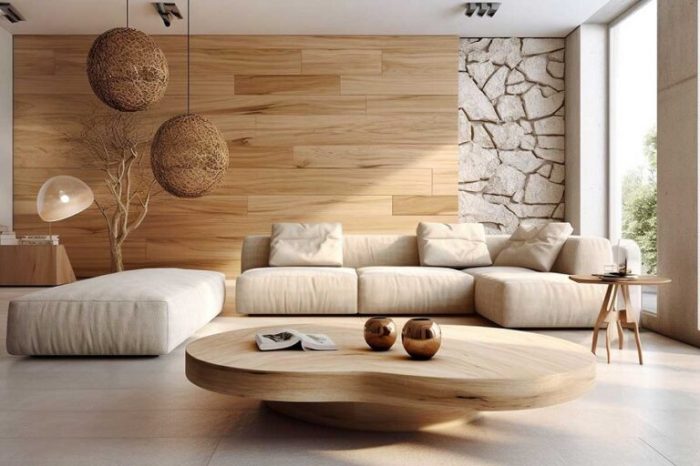
In today’s evolving real estate market, homeowners are increasingly looking for ways to enhance their living spaces while also boosting their property value. One increasingly popular solution is the installation of custom built-in furniture. These expertly designed fixtures not only contribute to the aesthetic appeal of a living room but also offer efficient storage solutions, making them a smart investment for homeowners looking to maximize their space.Custom built-ins come in various forms, from bookshelves and entertainment centers to window seats and cabinetry.
The primary advantage of installing built-in furniture lies in their ability to utilize every inch of space effectively. Unlike traditional furniture, which requires space for movement and access, built-ins are designed to fit seamlessly into the architecture of the room. This creates a clean, cohesive look, reducing visual clutter and enhancing the overall aesthetic of your home.
Storage Solutions and Aesthetic Appeal
Incorporating built-ins into your living room not only addresses the challenge of storage but also elevates the design of the space. For example, an intricately designed bookshelf can serve as a focal point, drawing the eye upward and creating an illusion of height. This is particularly beneficial in smaller living areas where maximizing vertical space can make a significant difference.Built-ins can be customized to align with your specific storage needs.
For instance, if you have a collection of books, installing a floor-to-ceiling bookshelf can provide ample room for your library while keeping the area organized. Similarly, custom cabinetry can house multimedia equipment, board games, or even seasonal décor, making it easy to maintain a tidy environment. To ensure that your built-ins complement your overall interior design theme, consider the following design methods:
- Material Selection: Choose materials that match your existing décor. Wood finishes can add warmth, while glass and metal can create a modern vibe.
- Color Coordination: Use a color palette that harmonizes with the room’s existing colors. Built-ins can be painted to blend in with the wall color or stand out as a statement piece.
- Architectural Style: Incorporate design elements that reflect the architectural style of your home, whether it’s contemporary, rustic, or traditional. This coherence enhances the overall aesthetic.
- Lighting Integration: Integrate LED lighting within built-ins to highlight displays and provide ambient lighting, enhancing both functionality and mood.
- Functional Design: Design built-ins with practicality in mind. Consider adjustable shelves, hidden compartments, and multi-use furniture to add versatility.
Custom built-ins not only enhance the aesthetics of your living space but also provide practical storage solutions that can lead to increased property value. As trends evolve and more homeowners prioritize functional and stylish design, investing in these tailored solutions will continue to be a savvy choice in 2026 and beyond.
The Role of Outdoor Views in Living Room Design
In contemporary living room design, the integration of outdoor views plays a pivotal role in enhancing both aesthetics and functionality. The strategic placement and sizing of windows are paramount in maximizing these views, allowing natural light to flood the space while creating a seamless connection with nature. This connection not only elevates the ambiance but also contributes significantly to the overall value of a home.
A well-designed living room that harmonizes with its surroundings fosters a sense of tranquility and spaciousness that is highly sought after in the real estate market.
Integrating indoor and outdoor living spaces begins with understanding the flow and accessibility between them. By blurring the lines between the two environments, homeowners can create versatile areas that enhance their living experience. One effective approach is to use large, floor-to-ceiling windows or sliding glass doors that open directly to outdoor patios or gardens. This design choice not only maximizes the views but also invites the outdoors in, making the living area feel more expansive and connected to nature.
Design Features that Enhance Indoor-Outdoor Connection
Several design features can significantly bolster the connection between living rooms and outdoor spaces. The following elements play a crucial role in achieving this integration:
- Bi-fold or Multi-slide Doors: These doors can be fully opened to create a seamless transition from the living room to the patio or deck. When opened, they turn walls into windows, allowing for unobstructed views and easy access to outdoor areas.
- Outdoor Living Areas: Incorporating comfortable outdoor seating, dining areas, and even kitchens can enhance the use of the space while encouraging frequent interactions with the outdoors.
- Transitional Flooring: Using the same flooring material inside and outside helps to create a visual and physical continuity that enhances the feeling of space. For example, extending hardwood or composite decking from the living room to the patio can unify the areas.
- Landscaping Elements: Thoughtful landscaping can frame outdoor views while also providing privacy. Incorporating features like shrubs, trees, and flower beds can enhance the scenery visible from the living room.
- Skylights and Clerestory Windows: These features allow additional natural light into the living space while offering glimpses of the sky and treetops, thus connecting the indoors with the outdoor environment above.
By incorporating these design features, homeowners can create living rooms that truly embrace the beauty of the outdoors. These enhancements not only improve the livability of the space but also contribute to the overall aesthetic appeal and value of the home. With the growing emphasis on sustainable living and outdoor lifestyles, such design choices are likely to resonate in the housing market for years to come.
Incorporating Art and Personal Touches in Your Living Room: 5 Living Room Renovation Ideas To Boost Your Home Value In 2026
In the quest to create a living room that not only showcases your style but also elevates the overall value of your home, incorporating art and personal touches is essential. The right pieces can transform a bland space into a vibrant reflection of your personality, making it more inviting and engaging. This not only enhances your daily living experience but can also attract potential buyers, should you decide to sell.
The impact of personal touches on the atmosphere of your living room cannot be overstated. Art serves as a powerful form of self-expression and can instantly alter the emotional tone of a room. When selecting art, consider pieces that resonate with your personal experiences, interests, and aesthetics. Whether it’s a contemporary painting that sparks joy or a vintage photograph that tells a story, these items can create a narrative within your living space.
Personal touches, such as family photos, travel souvenirs, or handmade crafts, contribute to a unique ambiance that reflects who you are.
Selecting and Displaying Art Pieces
When curating art for your living room, it is crucial to consider both the style and the emotional connection that each piece evokes. To create a cohesive look, follow these guidelines:
1. Choose a Color Palette
Select art that complements the color scheme of your living room. This doesn’t mean every piece must match perfectly, but a harmonious palette can enhance the overall aesthetic.
2. Consider Size and Scale
Take into account the size of your walls and the scale of the furniture in the room. Larger pieces can serve as focal points, while smaller works can be grouped together to form an engaging display.
3. Mix Media and Styles
Don’t limit yourself to one type of art; combine paintings, sculptures, and photographs. This variety can add depth and interest to your living room.
4. Create a Gallery Wall
A gallery wall is a popular way to display art and personal mementos. Start by laying out your pieces on the floor to find an arrangement that feels balanced before hanging them on the wall. Consider varying the frame styles and colors for an eclectic vibe.
5. Incorporate Lighting
Proper lighting can enhance the visual impact of your art. Use spotlights or picture lights to draw attention to specific pieces, creating a dramatic effect.
6. Add Personal Items
Incorporate personal touches by including items that tell your story. Display travel memorabilia, framed quotes, or even your own artwork. These elements make your living room feel lived-in and unique.
“Art is not what you see, but what you make others see.” – Edgar Degas
In conclusion, thoughtfully incorporating art and personal touches in your living room can significantly enhance its charm and value. By selecting pieces that resonate with your personal history and curating them in a visually appealing way, you create an inviting space that reflects your individuality and has the potential to captivate future buyers.
Closure
In conclusion, the journey of transforming your living room with these renovation ideas not only revitalizes your space but also positions your home favorably in the competitive market of 2026. By incorporating elements such as open designs, smart technology, and sustainable materials, homeowners can create environments that reflect contemporary trends while meeting practical needs. Embrace these renovations to ensure your living room serves as a welcoming centerpiece that adds lasting value to your home.
Frequently Asked Questions
What are the benefits of an open concept living room?
An open concept living room creates a spacious feel, enhances natural light and airflow, and allows for flexible furniture arrangements, making the space more functional and inviting.
How does smart technology enhance living rooms?
Smart technology improves convenience and comfort through features like automated lighting and climate control, which can also lead to increased energy efficiency and lower utility bills.
What materials are considered sustainable for living room renovations?
Sustainable materials include bamboo, reclaimed wood, and recycled materials, which not only reduce environmental impact but also appeal to eco-conscious buyers, thus boosting home value.
How can I make my living room multi-functional?
Incorporate versatile furniture, like sofas that convert into beds or tables that can be expanded, and use zoning techniques to create distinct areas for relaxation, work, and entertainment.
What role do colors play in living room design?
Colors significantly impact mood and perception of space; choosing trending and psychologically stimulating colors can enhance the aesthetic appeal and ambiance of your living room.