
Sell Your House Fast: 7 Living Room Staging Secrets That Increase Offers delves into the transformative power of living room staging in the real estate market. A well-staged living room can significantly influence potential buyers, creating an inviting atmosphere that enhances the perceived value of a home. As sellers strive for quick sales, understanding and implementing effective staging techniques becomes paramount in attracting lucrative offers.
This guide explores essential elements of living room staging, from decluttering to the strategic use of color and lighting, all aimed at creating a space that resonates with buyers. By leveraging these insights, homeowners can effectively showcase their properties, making them stand out in a competitive market.
The importance of a well-staged living room in selling your house quickly
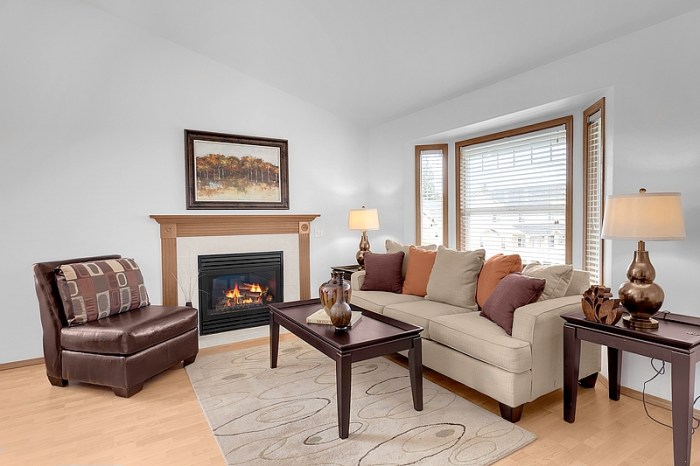
A well-staged living room plays a pivotal role in the quick sale of a home. It serves as the heart of the house, where families gather and memories are made. When potential buyers walk into a living room, they are not just viewing a space; they are envisioning their own lives unfolding within it. This psychological connection is crucial, as it can significantly influence their purchasing decision.A well-staged living room enhances the perceived value of a home by showcasing its potential and functionality.
Buyers are often swayed by first impressions, and a meticulously arranged living room can create an inviting atmosphere that feels both spacious and warm. Neutral color palettes, strategic furniture placement, and minimal personal items allow buyers to imagine their own style within the space. Research indicates that homes with appealing staging sell 73% faster than their non-staged counterparts, highlighting the effectiveness of this approach.
Successful examples of effective living room staging
Several real-life cases illustrate the success of effective living room staging in real estate transactions. One notable example is a home in San Diego, California, which remained on the market for over six months before undergoing professional staging. After a complete makeover—new furniture, art, and decor—the home sold within two weeks at a price 10% above the initial listing. This transformation made the living room not just a space but a showcase of lifestyle potential.Another instance involved a property in Atlanta, Georgia, that was staged with a modern yet cozy aesthetic.
The living room featured a bright, airy feel with strategically placed mirrors to enhance light and space. This approach attracted multiple offers, culminating in a bidding war that drove the final sale price significantly higher than expected.These examples underscore the importance of staging—particularly in the living room—demonstrating how a thoughtfully designed space can resonate with buyers, leading to quicker sales and increased offers.
Key elements to consider in living room staging for quick sales
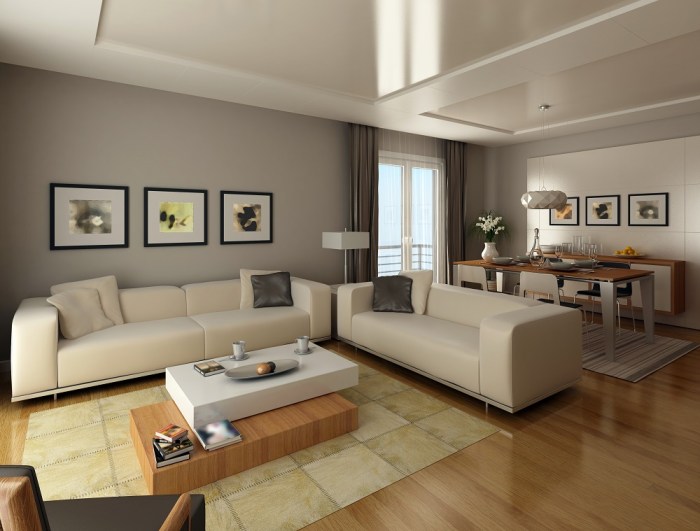
Staging a living room effectively can significantly influence the speed and success of a home sale. Potential buyers often form quick impressions, which can be pivotal in their decision-making processes. Understanding the key elements that make a living room appealing is essential for homeowners looking to maximize offers.
Essential furniture pieces for staged living rooms
An inviting living room must feature carefully selected furniture to highlight its potential. Essential pieces include:
- Sofa: The focal point of the living room, a well-chosen sofa sets the tone for the space. Neutral colors often appeal to a wider audience.
- Coffee Table: A stylish yet functional coffee table not only provides utility but also enhances the room’s aesthetic.
- Accent Chairs: Adding a couple of accent chairs can create a cozy conversation area, making the space feel more inviting.
- Side Tables: These provide necessary surfaces for lamps or beverages, adding practicality without cluttering.
- Rug: A well-placed area rug can unify the space and add warmth, making the room feel more complete.
Incorporating these key furniture pieces ensures that the living room feels cohesive and functional, catering to various potential buyers’ lifestyles.
Influence of color schemes on buyer perception
The color palette used in a living room significantly affects buyer perception and the overall ambiance of the space. Warm and neutral tones, such as beige, soft grays, and pastels, create a welcoming atmosphere that can resonate with a broad audience. A cohesive color scheme can also enhance the perception of space; light colors tend to make rooms appear larger and airier.
Conversely, bold colors can be used strategically to create focal points or accent areas, drawing attention to architectural features or decorative elements. When staging, it’s crucial to:
- Choose a harmonious color palette that complements the existing features of the room.
- Incorporate color through accessories such as cushions, throws, or artwork rather than overwhelming wall colors.
- Utilize natural light to enhance the colors used, as natural lighting can amplify warm hues and soften cooler tones.
These considerations ensure that the living room feels inviting and maximizes its aesthetic appeal to prospective buyers.
Importance of lighting in showcasing the living room space
Lighting is one of the most critical aspects of staging a living room. Effective lighting can transform the ambiance and functionality of the space, making it more attractive to potential buyers. Natural light should be utilized where possible; it not only brightens the room but also creates a sense of openness. Utilizing sheer curtains can allow light to filter in while maintaining privacy.
In addition, strategically placed mirrors can amplify the effect of natural light and create the illusion of a larger space.Artificial lighting must also be considered. A combination of ambient lighting (general lighting), task lighting (for specific activities), and accent lighting (to highlight features) can create a layered effect that enhances the room’s overall appeal. Key lighting elements include:
- Overhead Fixtures: A stunning chandelier or pendant light can serve as a focal point.
- Table Lamps: Placed on side tables or consoles, they provide warmth and encourage a cozy atmosphere.
- Floor Lamps: These can add height and interest to corners of the room, illuminating darker areas.
Good lighting is integral to showcasing the living room’s best features, making it feel more inviting and spacious. When done correctly, it can significantly boost buyer interest and increase offers.
Techniques for decluttering your living room to attract buyers
As potential buyers step into a living room, their first impressions can significantly influence their overall perception of the property. A well-staged living room that appears spacious and inviting can lead to increased offers. Decluttering is essential to achieving this goal. By implementing effective techniques, homeowners can create a welcoming atmosphere that highlights the room’s features while minimizing distractions.To effectively declutter, it is vital to understand the impact of personal items and how to create a more spacious appearance.
Personal belongings can often make a living room feel cramped and less appealing to buyers. By minimizing these items, sellers can help potential buyers visualize the space as their own. Additionally, organizing furniture strategically can enhance the flow of the room, making it feel larger and more accessible.
Effective methods for decluttering the living room
Implementing the right decluttering techniques can transform a living room into a buyer’s dream. The following methods are proven to create a more spacious and inviting environment:
- Start with a clean slate: Begin by removing all items from surfaces such as coffee tables, side tables, and shelves. This allows you to assess what is essential and what can be removed.
- Sort and categorize: Divide belongings into three categories: keep, donate, and discard. Be ruthless; if you haven’t used an item in the last year, consider letting it go.
- Limit personal items: Keep personal photographs and memorabilia to a minimum. Consider storing them away temporarily to allow buyers to envision their own lives in the space.
- Utilize storage solutions: Invest in decorative storage boxes or baskets to keep items organized and out of sight. This not only declutters but also adds visual appeal.
- Clear out furniture: Evaluate the furniture in the living room. Remove any pieces that obstruct flow or overcrowd the space. Aim for a balanced arrangement that allows for easy movement.
Minimizing personal items for staging
Personal items can distract potential buyers from the overall appeal of your living room. Minimizing these items is crucial for effective staging. The following strategies can assist in this process:
- Remove family photos: While meaningful to you, family photographs can make it difficult for buyers to imagine their own lives in the space. Consider replacing them with neutral artwork or decorative pieces.
- Limit knick-knacks: Minimize the number of decorative items on display. Stick to one or two focal points that enhance the room’s aesthetic without overwhelming it.
- Store personal belongings: Keep items like mail, shoes, and children’s toys out of sight. Designate a specific area in the home for these items during showings.
Organizing living room furniture for maximum flow and space
The arrangement of furniture plays a pivotal role in how spacious a living room feels. Proper organization can enhance the room’s functionality and appeal. Consider the following steps to optimize furniture placement:
- Establish a focal point: Identify a natural focal point in the room, such as a fireplace or a large window. Arrange furniture to highlight this feature, drawing attention to the room’s best qualities.
- Create conversation areas: Group seating together to encourage social interaction. Use sofas and chairs to form a comfortable arrangement that promotes conversation.
- Maintain clear pathways: Ensure there are clear walkways between furniture pieces. Avoid blocking access to any areas, which can make the room feel cluttered and cramped.
- Adjust the scale: Use appropriately sized furniture for the room. Oversized pieces can make a living room feel cramped, while too small items may lack impact. Balance is key.
- Add multifunctional furniture: Consider incorporating furniture that serves multiple purposes, such as ottomans with storage or coffee tables that can double as seating. This reduces clutter while enhancing functionality.
The impact of neutral decor choices on buyer appeal
The choice of decor in a living room can significantly influence a home’s marketability. Among various strategies, opting for neutral colors has emerged as a pivotal approach to enhance buyer appeal. Neutral hues serve as a canvas that allows potential buyers to envision their personal style without distraction, increasing the likelihood of offers.Neutral colors, such as beige, gray, and soft whites, are preferable for staging because they provide a calm and inviting atmosphere that appeals to a broader audience.
These shades create a sense of sophistication and spaciousness, making any living room feel more open and airy. By avoiding bold or overly personalized colors, sellers can avoid alienating potential buyers who may have differing tastes.
Effective neutral color palettes for living room design
When considering neutral color schemes, a few specific palettes stand out for their versatility and aesthetic appeal. Incorporating these choices can enhance the ambiance of the living room:
- Classic Gray and White: A timeless combination, gray walls paired with crisp white trim create a modern yet approachable environment.
- Warm Beige and Earthy Tones: This palette provides warmth and comfort, evoking a cozy atmosphere that resonates with family-oriented buyers.
- Soft Taupe and Cream: Taupe offers a sophisticated touch that complements cream accents, creating an elegant yet inviting space.
By utilizing neutral decor choices, sellers can create an emotional connection with potential buyers. A serene and organized living room allows buyers to visualize their life within the space, fostering an instant sense of belonging. The right combination of neutral elements can elicit feelings of warmth and tranquility, crucial factors when prospective homeowners imagine their future in a new environment.
As research shows, first impressions are critical in real estate; thus, neutral staging can significantly enhance the likelihood of attracting offers.
Utilizing furniture arrangement to enhance the living room’s appeal
In the competitive real estate market, the way a living room is staged can significantly impact buyers’ perceptions and offers. Furniture arrangement plays a vital role in showcasing a property’s space and functionality, transforming an ordinary room into an inviting area that encourages potential buyers to envision their lives within it.The arrangement of furniture can dramatically alter how a space is perceived.
A well-thought-out layout not only enhances the visual appeal of the living room but also influences the functionality of the area. For example, a room that feels cramped can be opened up by strategically positioning furniture to create clear pathways and a sense of flow. Conversely, a large space can feel cozy and inviting when furniture is grouped to encourage conversation and relaxation.
Key considerations include the scale of the furniture in relation to the room size, the focal points within the space, and the overall design aesthetic that should be communicated.
Favorable layouts for showcasing living room features
Certain layouts are particularly effective in highlighting the unique features of a living room, contributing to its overall desirability. These arrangements not only create visual interest but also enhance the functionality and comfort of the space. Here are some popular layouts used in staging that can elevate a living room’s appeal:
- Symmetrical Layout: This classic arrangement features pairs of furniture items (such as sofas, chairs, or side tables) positioned around a central point, like a coffee table or a fireplace. This layout is aesthetically pleasing and promotes a sense of balance, making the space feel organized and intentional.
- Asymmetrical Layout: For a more modern and dynamic feel, an asymmetrical layout can be employed. Here, furniture is arranged in a way that does not mirror each side, creating an inviting yet relaxed atmosphere. This style often incorporates a mix of different seating types and sizes, providing both comfort and visual interest.
- Zone Layout: In larger living rooms, creating distinct zones can maximize functionality. This layout separates the space into areas for lounging, reading, or entertaining, often using area rugs or furniture placement to define each zone. Such an arrangement allows for versatility while maintaining an open feel.
- Open Layout: Particularly in modern homes, an open layout integrates the living room with adjacent spaces like the dining area or kitchen. To highlight this openness, furniture should be positioned to encourage interaction between the areas, facilitating movement and conversation across the spaces.
Each of these layouts serves to showcase the living room’s features while enhancing its overall appeal. For instance, a symmetrical layout emphasizes a fireplace as a focal point, making it more inviting for buyers who value comfort and style. An asymmetrical layout, with a unique combination of furnishings, captures a contemporary vibe that may attract young families or professionals. Overall, the choice of furniture arrangement not only affects the visual outcome of the living room but also plays a critical role in how potential buyers will perceive the home, ultimately influencing their offers.
Incorporating accessories to add warmth and character to your living room
Accessories play a pivotal role in staging a living room, transforming it from a mere space into an inviting environment that resonates with potential buyers. By thoughtfully incorporating accessories, sellers can enhance the room’s character and warmth, making it more appealing and relatable.To create a balance between aesthetic appeal and functionality, it’s essential to select accessories that evoke a sense of comfort while complementing the overall staging theme.
This can include a variety of elements, such as cushions, artwork, and decorative items that reflect a cohesive style. When choosing accessories, consider the following tips to create a harmonious look:
Types of Accessories to Enhance the Living Room
The right accessories can set the tone of the living room and invite buyers to envision themselves in the space. Focus on these key elements:
- Cushions: Opt for cushions in varied textures and colors that complement the existing color scheme. Layering different sizes can create depth and interest.
- Artwork: Select pieces that resonate with the demographic of your target market. Local landscape photos or abstract art can foster a connection to the space.
- Throw Blankets: Soft, inviting throws draped over furniture add a cozy touch, making the space feel liveable.
- Vases and Plants: Incorporate greenery to bring life to the room. Choose low-maintenance plants that can thrive indoors.
- Decorative Accents: Use items like candles or decorative bowls that reflect the overall theme without overcrowding surfaces.
Balancing these accessories is crucial. Overcrowding can make the space feel cramped and detract from its appeal. Instead, aim for a curated selection that highlights the room’s features while allowing for open spaces. Utilize negative space intentionally, allowing each accessory to breathe and stand out. Remember, the goal is to create an inviting atmosphere, giving potential buyers an emotional connection to the living room.
The role of scent and ambiance in living room staging: Sell Your House Fast: 7 Living Room Staging Secrets That Increase Offers
Creating a welcoming atmosphere in your living room is vital when aiming to sell your house quickly and at a favorable price. One often overlooked aspect is the role of scent, which can significantly affect buyer perception. A pleasant olfactory experience not only enhances the ambiance but also creates lasting positive impressions, making potential buyers more inclined to envision themselves in the space.Scent has a profound impact on human emotions and memories, which means the right fragrance can evoke feelings of comfort, nostalgia, and relaxation.
By carefully selecting scents that foster a positive environment, you can influence buyer behavior. Options such as candles, essential oil diffusers, and fresh flowers can be strategically employed to enhance the living room atmosphere, making it more inviting and appealing.
Enhancing Ambiance with Fragrance
To elevate the olfactory experience during viewings, it is essential to choose scents that resonate well with a broad audience. Here are some effective strategies to create a pleasant environment:
- Candles: Opt for subtle, clean scents like vanilla, linen, or citrus. Light candles before the viewing to fill the room with a gentle fragrance while avoiding overpowering scents that can be off-putting.
- Essential Oil Diffusers: Use diffusers with essential oils such as lavender or eucalyptus. These scents are known for their calming effects and can create a serene atmosphere in the living room.
- Fresh Flowers: Incorporating fresh flowers not only adds a visual element but also introduces natural fragrances. Choose flowers like lilies or peonies, which have pleasant scents and are generally appealing to most people.
- Freshly Baked Goods: The smell of cookies or bread can evoke nostalgia and warmth. Baking just before a showing can create an inviting environment, although it requires careful timing.
- Avoiding Overpowering Scents: It’s crucial to avoid overly strong fragrances, which can overwhelm potential buyers. Subtlety is key; aim for a background scent that enhances, rather than dominates, the experience.
- Seasonal Scents: Adapting scents to the season can make a room feel more inviting. For example, pine or cinnamon during the winter months creates a cozy feel, while floral fragrances are perfect for spring.
- Air Quality: Ensure the room is well-ventilated. Stale air can detract from even the most pleasant scents. Opening windows prior to a viewing can refresh the space.
“Scent is one of the most powerful tools in establishing ambiance, directly affecting emotional responses and buyer impressions.”
By focusing on scent and ambiance, homeowners can create a memorable viewing experience that resonates with potential buyers, ultimately leading to faster sales and higher offers.
The effectiveness of virtual staging in today’s real estate market
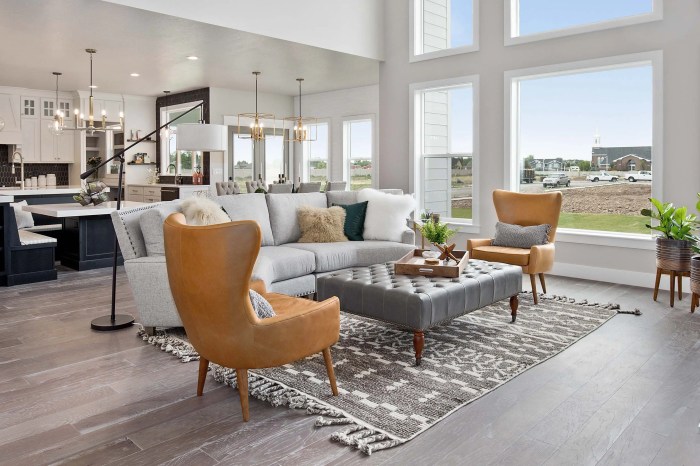
The real estate landscape has been transformed by technological advances, with virtual staging emerging as a powerful tool for sellers. As more buyers begin their home searches online, the visual presentation of properties has become crucial to attracting offers. Virtual staging allows sellers to showcase their homes in the best possible light, offering a modern alternative to traditional staging methods that can be costly and time-consuming.Virtual staging leverages advanced software that enables designers to digitally furnish and decorate a space, creating a visually appealing environment that highlights a property’s potential.
This technology not only saves on costs associated with physical staging but also provides flexibility in showcasing various design aesthetics. Sellers can quickly modify the look of their homes to appeal to different buyer demographics, presenting a fresh and inviting atmosphere that encourages prospective buyers to envision themselves living in the space.
Technology and benefits of virtual staging
The effectiveness of virtual staging stems from its innovative technology, which utilizes 3D rendering and augmented reality to create lifelike images of spaces. This approach to home presentation offers several benefits:
1. Cost Efficiency
Traditional home staging often involves renting furniture and decor, which can quickly escalate in cost. Virtual staging eliminates these expenses, allowing sellers to present their homes at a fraction of the price.
2. Speed and Flexibility
Virtual staging can be completed in days rather than weeks, allowing sellers to quickly adapt to market trends or target different buyer groups. If a particular style doesn’t resonate, adjustments can be made seamlessly without the hassle of physical labor.
3. Wider Reach
Digital images can be easily shared across multiple online platforms, reaching a broader audience. High-quality virtual staging enhances listings, making them more eye-catching on real estate websites and social media.
4. Enhanced Visualization
Potential buyers often struggle to visualize how a space can be used. Virtual staging helps bridge this gap by providing a clear, attractive representation of the property’s potential, increasing emotional engagement and interest.
5. Showcasing Versatility
Sellers can utilize various design styles to appeal to diverse buyers. For instance, a modern, minimalist look might attract young professionals, while a cozy, traditional design could appeal to families.Examples of effective virtual staging techniques include creating inviting living rooms with carefully chosen furniture arrangements and decor that emphasize natural light and spaciousness. By placing a stylish sofa, chic coffee table, and tasteful art on the walls, homes can appear more welcoming.
In another instance, showcasing a home office can be valuable as remote work continues to be more prominent; depicting an organized, well-lit workspace can attract buyers looking for versatility in their living environment.Overall, the rise of virtual staging in today’s real estate market underscores its effectiveness as a strategic selling tool. As technology continues to evolve, sellers and real estate agents are increasingly relying on virtual staging to captivate potential buyers and secure offers quickly and efficiently.
Common mistakes to avoid when staging your living room for sale
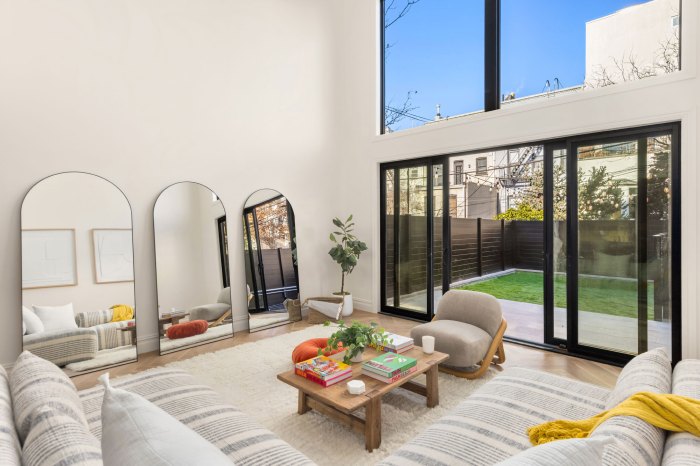
Staging a living room effectively can significantly increase the appeal of a home, yet homeowners often fall into common pitfalls that detract from their efforts. Understanding these mistakes and how to avoid them is crucial for making a lasting impression on potential buyers.One frequent error is over-personalization of the space. Homeowners often showcase personal items such as family photos, memorabilia, or unique decor that reflects their tastes.
While these items can create warmth, they also make it challenging for prospective buyers to envision themselves in the space. To counter this, it is advisable to neutralize the room by removing personal artifacts and replacing them with more universally appealing decor, such as abstract art or tasteful accessories. This approach allows buyers to project their own style and lifestyle onto the living room, increasing the chances of a sale.
Impact of clutter and poor layout
Maintaining an organized and spacious environment is essential when staging a living room. Clutter can give the impression of a cramped space, making it difficult for buyers to appreciate the room’s full potential. To prevent this, consider adopting a minimalist approach by removing excess furniture and decorative items that aren’t necessary. Each piece in the room should serve a purpose and contribute to an inviting atmosphere.An effective layout is equally important; furniture should be arranged to promote flow and functionality.
Common mistakes include pushing all furniture against the walls, which can create a disjointed feel. Instead, aim for a conversational layout that encourages interaction and makes the space feel inviting.
“A well-staged living room not only attracts buyers but also encourages them to imagine their lives within the space.”
In some cases, the complexity of staging might warrant professional assistance. Real estate professionals or staging experts can provide valuable insights on market trends and buyer preferences, significantly enhancing the staging process. Their expertise can help homeowners avoid common missteps, ultimately leading to quicker sales and potentially higher offers. Engaging a professional may seem like an added expense, but it could yield substantial returns in the sale price of the home.
Tips for enhancing natural light in your living room during staging
Maximizing natural light in a living room is a key strategy when staging a home for sale. An abundance of natural light not only creates an inviting atmosphere but also enhances the overall appeal of the space. By employing several effective techniques, homeowners can transform their living rooms into bright, airy environments that attract potential buyers.One of the primary aspects to consider is how window treatments can significantly influence light flow.
Choosing the right window coverings can either enhance or obstruct natural light. Light, sheer fabrics can maintain privacy while allowing sunlight to filter through, creating a warm and welcoming ambiance. On the other hand, heavy draperies can darken a room and make it feel cramped. Homeowners should assess their existing window treatments and consider making adjustments to optimize brightness.
Strategies for maximizing natural light, Sell Your House Fast: 7 Living Room Staging Secrets That Increase Offers
To effectively enhance the natural light in your living room during staging, consider the following strategies:
- Use Mirrors: Placing mirrors strategically can reflect light and make the room appear larger. A well-placed mirror opposite a window can double the amount of light that enters the room.
- Keep Windows Clean: Dirty windows can obstruct light. Ensure that both the interior and exterior of your windows are cleaned thoroughly before showings to maximize brightness.
- Choose Light Colors: Paint walls in lighter shades, such as whites or soft pastels, to reflect light rather than absorb it. This simple change can create an illusion of a larger, more open space.
- Limit Obstructions: Move any furniture or decor that blocks natural light from entering the room. Ensure that nothing is positioned in front of windows that could hinder light flow.
- Maximize Light Fixtures: While natural light is ideal, strategically placing light fixtures and using warm bulbs can supplement the ambiance when natural light is limited. Consider using floor lamps or wall sconces that provide soft lighting.
- Use Lightweight Fabrics: Opt for lightweight, sheer curtains instead of heavy drapes. Sheer fabrics allow light to penetrate while still offering a degree of privacy.
- Open Curtains and Blinds: Before showings, open all curtains and blinds to their fullest extent. This simple action allows maximum light to enter the living room.
Incorporating these strategies will not only enhance the appeal of your living room but also create a welcoming environment that potential buyers will love. Preparing the space with these considerations in mind can lead to faster sales and potentially higher offers.
The benefits of hiring a professional stager for your living room
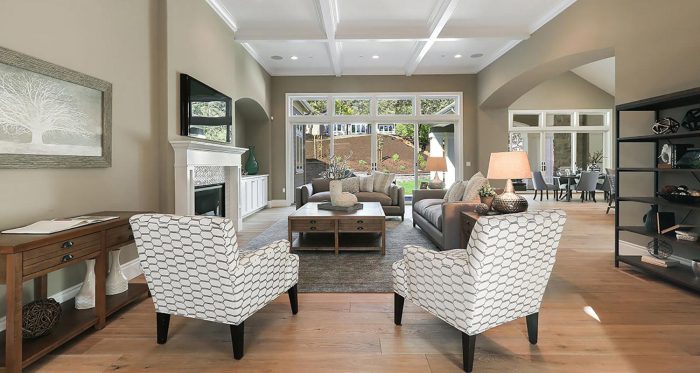
In today’s competitive real estate market, the first impression your living room makes can be the difference between a quick sale and a home lingering on the market. Hiring a professional stager brings expertise and a fresh perspective that can enhance your living space’s appeal, often resulting in higher offers and quicker sales.Professional staging services provide numerous advantages over DIY approaches.
Stagers possess an innate understanding of current market trends and buyer psychology, allowing them to create spaces that resonate with potential buyers. Their experience enables them to showcase a home’s best features while minimizing any drawbacks, ensuring that the living room feels inviting and spacious. Moreover, stagers have access to a variety of high-quality furnishings and decor that may not be available to the average homeowner, adding an element of sophistication to the staging.
Cost versus return on investment
Understanding the financial implications of hiring a professional stager is essential for homeowners considering this option. While the initial cost of professional staging can range from $1,500 to $5,000 depending on the size of the home and the extent of staging required, the return on investment can be substantial. Studies have shown that staged homes sell for 1% to 10% more than their non-staged counterparts.
Additionally, properties that are professionally staged tend to spend significantly less time on the market, translating to reduced carrying costs for sellers.Homeowners who have utilized professional staging often share their success stories. For instance, one homeowner in Santa Monica reported that after investing $3,000 in staging, they received an offer $50,000 above their asking price within days of listing. Another case in Atlanta revealed a similar trend, where a $2,500 investment in staging led to a sale at 15% over the market average.
These testimonials underscore the value of professional staging in maximizing a home’s market potential.
Outcome Summary
In summary, mastering the art of living room staging is not just about aesthetics; it’s about strategically enhancing your home’s appeal to potential buyers. By applying these seven staging secrets, sellers can create an inviting environment that not only attracts interest but also increases offers. Ultimately, a well-staged living room can be the key to a swift and successful home sale, ensuring that sellers achieve their desired outcomes in a challenging market.
Questions Often Asked
What is living room staging?
Living room staging involves preparing and decorating a living room to make it more appealing to potential buyers, highlighting its best features and creating an inviting atmosphere.
How does staging affect home selling?
Staging can increase a home’s perceived value, leading to quicker sales and potentially higher offers by creating a favorable impression on buyers.
Should I hire a professional stager?
Hiring a professional stager can provide expertise and insights that enhance the staging process, often resulting in a better return on investment compared to DIY approaches.
What are common mistakes in living room staging?
Common mistakes include over-personalization, poor furniture arrangement, and neglecting the importance of lighting and decluttering, all of which can deter potential buyers.
Can virtual staging be effective?
Yes, virtual staging can be effective, allowing sellers to showcase their homes in an appealing manner without the need for physical staging, often at a lower cost.