
Creating a Healthy Living Room: Air Quality, Allergens & Wellness Guide delves into the crucial elements that contribute to a thriving indoor environment. As more individuals recognize the impact of their living spaces on health and well-being, understanding air quality, allergens, and wellness practices has never been more important. This guide offers insightful strategies to cultivate a healthier living room, emphasizing the significance of factors like ventilation, indoor plants, and non-toxic materials.
Moreover, it explores the hidden pollutants lurking in our homes, the role of natural elements in enhancing air quality, and practical tips for decluttering and organizing spaces. Readers will find valuable information on how to integrate wellness into their living environments, thereby promoting both physical and mental health.
Understanding the importance of air quality in the living room.
The living room serves as the heart of the home, a space for gatherings, relaxation, and unwinding after a long day. However, many individuals overlook a critical aspect of this environment: air quality. Poor air quality can significantly impact overall health and well-being. It is essential to understand how the air we breathe in our living spaces can influence our physical and mental states, particularly given that we spend a substantial portion of our lives indoors.Air quality is affected by various pollutants that can be present in living rooms, ranging from household products to biological contaminants.
Common sources of indoor air pollutants include volatile organic compounds (VOCs) emitted by paints and furnishings, smoke from cooking or tobacco use, pet dander, and dust mites. These pollutants can trigger allergic reactions, exacerbate asthma, and contribute to respiratory issues. Additionally, indoor air can be more polluted than outdoor air, making awareness and management crucial for maintaining a healthy living environment.
Common Pollutants and Their Sources
Understanding the specific pollutants prevalent in living rooms is vital for taking appropriate action to improve air quality. The following pollutants are frequently found in domestic environments:
- Volatile Organic Compounds (VOCs): These are chemicals emitted from various household products, including cleaning agents, aerosol sprays, paints, and soft furnishings. VOCs can cause headaches, dizziness, and long-term health effects.
- Formaldehyde: Commonly found in building materials and household products, formaldehyde can irritate the eyes, nose, and throat. It has been linked to respiratory problems and is classified as a human carcinogen.
- Particulate Matter: Dust, smoke, and pet hair contribute to particulate matter in the air, which can penetrate deep into the lungs, causing serious health issues over time.
- Biological Contaminants: Mold spores, pollen, pet dander, and dust mites are significant allergens that can lead to respiratory issues and allergic reactions in sensitive individuals.
Methods for Measuring Indoor Air Quality
Effectively measuring indoor air quality is essential for identifying pollutants and taking necessary actions. Several methods are available to assess air quality levels accurately:
- Air Quality Monitors: Portable devices can measure concentrations of common pollutants, including VOCs, carbon dioxide, and particulate matter, providing real-time data on air conditions.
- DIY Testing Kits: These kits are often available for detecting specific pollutants like mold or formaldehyde. They can be a cost-effective way to gain initial insights into air quality.
- Professional Assessments: Hiring a qualified professional can yield comprehensive analysis, including detailed reports on air quality and recommendations for improvements.
Monitoring air quality is a proactive step toward ensuring a healthier living environment, reducing health risks, and enhancing overall well-being.
Identifying common allergens present in living rooms.: Creating A Healthy Living Room: Air Quality, Allergens & Wellness Guide
Indoor environments, particularly living rooms, can often harbor a range of allergens that adversely affect health and well-being. Understanding these allergens is crucial for maintaining a healthy living space. The most common indoor allergens include pet dander, dust mites, and mold. Each of these allergens poses unique challenges and can exacerbate allergy symptoms, contributing to a decline in overall wellness.
Recognizing the presence of allergens in your living space is vital. Common signs of indoor allergies include frequent sneezing, nasal congestion, itchy or watery eyes, and skin irritation. These symptoms can manifest seasonally or year-round, leading to discomfort that often disrupts daily activities. Identifying specific triggers can significantly improve the quality of life for allergy sufferers.
Common Indoor Allergens, Creating a Healthy Living Room: Air Quality, Allergens & Wellness Guide
In order to create a healthier living room environment, it is important to recognize the types of allergens that may be present. Below are some of the most prevalent indoor allergens:
- Pet Dander: The tiny, microscopic flakes of skin shed by cats, dogs, and other furry pets can lead to allergic reactions, especially in susceptible individuals. Pet dander can remain airborne for long periods and settle on furniture and carpets, making it difficult to eliminate completely.
- Dust Mites: These microscopic creatures thrive in warm, humid environments and are commonly found in bedding, upholstery, and carpets. Dust mites feed on human skin cells, and their waste products are potent allergens, leading to respiratory issues and allergic reactions.
- Mold: Mold spores can proliferate in damp areas of the home, such as bathrooms and basements, but they can also be found in living rooms. Mold can produce allergic reactions and respiratory issues when inhaled. Visible signs of mold growth are often accompanied by a musty smell.
In addition to these common allergens, airborne particles such as pollen, dust, and smoke can also trigger allergies. It is important to consider the sources of these allergens within the living room, which may include indoor plants, poorly maintained ventilation systems, and even cleaning products that release volatile organic compounds (VOCs).
“A clean environment is essential for reducing allergy symptoms and enhancing overall health.”
To mitigate the effects of these allergens, regular cleaning and maintenance are essential. Vacuuming with a HEPA filter, using air purifiers, and ensuring proper ventilation can significantly reduce allergen levels. Additionally, washing bedding and curtains frequently and minimizing clutter can help create a safer, healthier living space. Recognizing and addressing these common allergens will foster an environment conducive to health and wellness, ultimately leading to a better quality of life for all inhabitants.
Exploring plants that improve air quality in living rooms.
Indoor plants not only enhance the aesthetic appeal of living spaces but also play a crucial role in improving air quality. Certain plants are renowned for their ability to filter pollutants and allergens from the air, thus contributing to a healthier living environment. This guide delves into five specific indoor plants that are particularly effective at purifying air, providing care tips, and suggesting innovative ways to incorporate them into your living room decor.
Indoor Plants for Air Purification
Understanding the specific benefits and care requirements of air-purifying plants can help you make informed choices for your living room. Below are five plants known for their air-cleaning properties, along with their maintenance needs and design integration tips.
- Peace Lily (Spathiphyllum): The Peace Lily is celebrated for its ability to remove toxins like ammonia, benzene, and formaldehyde. It thrives in low to moderate light and requires weekly watering, ensuring the soil remains moist but not soggy. To incorporate this plant into your decor, place it on a side table or use a decorative pot that complements your living room’s color scheme.
- Spider Plant (Chlorophytum comosum): Known for its hardy nature, the Spider Plant effectively eliminates formaldehyde and xylene from the air. It flourishes in bright, indirect sunlight and prefers to be watered when the top inch of its soil feels dry. It can be creatively displayed in hanging planters or on shelves, where its cascading leaves can add a dynamic element to your living room.
- Boston Fern (Nephrolepis exaltata): The Boston Fern excels at combating indoor air pollutants and increasing humidity. It requires a cool environment with high humidity and indirect sunlight, necessitating consistent watering to keep the soil moist. This lush plant makes a stunning centerpiece on a coffee table or can be placed in a stylish basket to enhance your decor.
- Rubber Plant (Ficus elastica): The Rubber Plant is effective at removing toxins and is known for its striking appearance. It prefers bright, filtered light and should be watered when the top soil dries out. This plant can serve as a statement piece when positioned in a corner or beside a piece of furniture, elevating the overall design of your living room.
- Dracaena (Dracaena spp.): With various species available, Dracaenas are excellent at filtering out formaldehyde and are relatively low-maintenance. They thrive in low light and require infrequent watering, only when the soil is dry to the touch. Incorporate a tall Dracaena in a decorative pot to create a striking vertical element in your living space.
Incorporating these plants into your living room not only boosts air quality but also adds a touch of nature to your environment. Consider varying pot sizes and colors to create visual interest, and group plants with similar care needs together for ease of maintenance. Integrating plants into your decor can range from simple tabletop arrangements to more elaborate setups like plant shelves or green corners that blend seamlessly with your existing furniture.
The role of ventilation in maintaining a healthy living space.

Proper ventilation is a cornerstone of a healthy living environment. It helps to manage indoor air quality by reducing the concentration of pollutants, allergens, and moisture, all of which can have detrimental effects on health. In homes where ventilation is inadequate, airborne contaminants can accumulate, leading to respiratory issues, allergies, and even long-term health risks. Ensuring that your living space has effective ventilation is vital not only for comfort but also for overall wellness.Ventilation can be achieved through various methods, each with its own effectiveness level.
Natural ventilation relies on wind and temperature differences to circulate air, while mechanical systems use fans or HVAC units to improve airflow. Homes often benefit from a combination of both approaches. The effectiveness of these methods can significantly vary based on factors such as the size of the living space, the number of windows, and the design of the building.
Methods to enhance natural ventilation in the living room
When considering how to enhance natural ventilation, it is essential to recognize the fundamental principles of airflow. By maximizing the movement of fresh air into the living space, homeowners can reduce indoor air pollution and improve comfort. Here are several effective strategies to enhance natural ventilation:
- Open Windows Strategically: Position windows across from each other or at different heights to create cross-ventilation, enabling fresh air to flow through the living room and push out stale air.
- Use Window Fans: Installing window fans can help draw in fresh air from outside while expelling warmer indoor air, increasing airflow without relying solely on natural breezes.
- Install Ventilated Doors: Doors with vents or louvered designs can facilitate airflow between rooms, particularly when the living room is adjacent to other living spaces.
- Incorporate Skylights: Adding skylights can not only enhance natural light but also allow heat to escape, particularly in warmer months, promoting better air circulation throughout the room.
- Utilize Ceiling Fans: While not a source of fresh air, ceiling fans help to distribute air evenly within the room, improving comfort levels and making it feel less stuffy.
Implementing these strategies can greatly enhance the airflow in your living room, contributing to a healthier living environment and overall well-being. As a result, maintaining good ventilation should be a priority for homeowners who aim for a comfortable and health-conscious living space.
Creating a dust-free living room environment
In the quest for a healthier living space, creating a dust-free living room is paramount. Dust not only affects the cleanliness of your home but can also lead to various health issues, particularly for individuals with allergies or respiratory conditions. Understanding how to manage and minimize dust accumulation can significantly enhance your living environment and overall well-being.Maintaining a dust-free living room requires a comprehensive strategy that encompasses regular cleaning, proper furniture care, and the strategic use of air purifiers.
Implementing these strategies will ensure that dust levels remain low, promoting a cleaner and healthier atmosphere for you and your family.
Strategies for minimizing dust accumulation
To effectively reduce dust in your living room, it is essential to adopt a multi-faceted approach. Here are key strategies to consider:
- Regular Vacuuming: Invest in a vacuum cleaner equipped with a HEPA filter, which traps fine particles and allergens. Aim to vacuum at least once a week, focusing on carpets, rugs, and upholstered furniture where dust tends to accumulate.
- Dusting Techniques: Utilize microfiber cloths for dusting surfaces, as they attract and hold dust particles better than traditional cloths. Pay attention to often-neglected areas such as shelves, baseboards, and light fixtures.
- Minimize Clutter: Reducing clutter can significantly decrease dust accumulation. Keep surfaces clear and store items in closed cabinets to minimize dust settling on surfaces.
- Wash Fabrics Regularly: Curtains, cushions, and throws can harbor dust. Regularly washing or vacuuming these textiles will prevent dust build-up and improve overall air quality.
- Choose Hard Flooring: If possible, opt for hard flooring such as tile or laminate instead of carpets, as they require less maintenance and are easier to keep dust-free.
Importance of regular cleaning protocols for furniture and textiles
Establishing a routine cleaning protocol is crucial for maintaining a dust-free environment. Dust can adhere to various surfaces, including furniture and textiles, making it essential to incorporate these items into your cleaning schedule. Regular cleaning not only keeps dust at bay but also prolongs the lifespan of your furniture and textiles, ensuring they remain in good condition.It is advisable to implement a cleaning schedule that designates specific days for dusting and vacuuming.
Consider the following practices for effective cleaning:
- Weekly Dusting: Dedicate one day a week to dust all surfaces, including shelves, picture frames, and electronics, to prevent dust accumulation.
- Monthly Deep Cleaning: Engage in a more thorough cleaning process monthly, including washing curtains and cushion covers, and cleaning under furniture where dust often settles.
- Seasonal Decluttering: Every season, reevaluate your living space and remove items that are no longer needed. This reduces clutter and minimizes dust collection.
Use of air purifiers for maximum effectiveness
Air purifiers play a pivotal role in maintaining good air quality by filtering out dust particles and allergens. Selecting the right air purifier and placing it effectively can enhance its performance in your living room.To maximize the effectiveness of air purifiers, consider the following:
- Choose the Right Size: Ensure the air purifier is suitable for the size of your living room. An underpowered unit will struggle to clean the air effectively.
- Optimal Placement: Position the air purifier in a central location, away from walls and furniture, to allow for better airflow. It is also beneficial to place it near sources of dust, such as pet areas or entryways.
- Regular Filter Maintenance: Follow the manufacturer’s recommendations for filter replacement to ensure the air purifier operates efficiently. Clogged filters can impede air flow and reduce effectiveness.
Maintaining a low-dust living room environment not only enhances comfort but also contributes to better health outcomes.
Selecting non-toxic materials for living room furnishings.
The choice of materials used in living room furnishings plays a pivotal role in ensuring a healthy indoor environment. As people spend significant time in their homes, selecting non-toxic materials not only contributes to aesthetic appeal but also promotes overall wellness. Understanding what constitutes eco-friendly and safe materials is essential for creating a living space that is both inviting and health-conscious.To identify harmful chemicals in furniture and decor, consumers should look for specific certifications and labels.
Common toxic substances found in furnishings include formaldehyde, phthalates, and heavy metals. These chemicals can off-gas into indoor air, negatively impacting air quality and health. The best way to avoid such hazards is to seek out materials with certifications such as Greenguard, which indicates that the product has been tested for chemical emissions. Additionally, choosing items made from natural fibers and organic materials can significantly reduce exposure to harmful substances.
Eco-friendly materials for furnishings
When selecting non-toxic materials, it is crucial to consider a variety of options that are known for their safety and sustainability. Below are some eco-friendly materials suitable for living room furnishings:
- Bamboo: A rapidly renewable resource, bamboo is durable and naturally resistant to pests without the need for chemical treatments.
- Cork: Harvested from the bark of cork oak trees, this material is biodegradable and possesses natural antimicrobial properties.
- Organic Cotton: Grown without pesticides or synthetic fertilizers, organic cotton is safe for indoor use and can be used for upholstery, curtains, and rugs.
- Wool: A natural fiber that is both durable and biodegradable, wool helps regulate humidity and provides insulation.
- Reclaimed Wood: Using salvaged wood reduces the demand for new lumber and often comes with a unique character while minimizing exposure to chemicals used in processed wood products.
- Natural Latex: Derived from rubber trees, natural latex is free from harmful chemicals and provides a sustainable option for cushions and mattresses.
Each of these materials not only contributes to a healthy living environment but also supports sustainable practices that benefit the planet. Consumers should prioritize these options when furnishing their living spaces.
Identifying harmful chemicals
Understanding how to identify harmful chemicals in furnishings is essential for maintaining a healthy home. Key indicators include:
- Labeling: Look for labels that specify “no added formaldehyde,” “low VOC (volatile organic compounds),” or “non-toxic.” These labels can guide consumers toward safer options.
- Certifications: Products with certifications from organizations like the Forest Stewardship Council (FSC) ensure responsible sourcing and minimal chemical usage.
- Material Composition: Investigate the materials used in furniture. Synthetic materials often contain harmful chemicals, while natural fibers are typically safer.
By being vigilant about product labels, certifications, and material compositions, consumers can make informed decisions that align with their health and environmental goals.
Choosing healthy rugs, curtains, and paints
Incorporating rugs, curtains, and paints that promote health requires diligence in selecting products that are free from toxins. The following guidelines can aid in making safe choices:
- Rugs: Opt for rugs made from natural materials like wool, jute, or sisal. Ensure they are treated without harmful chemicals and check for certifications that confirm they are free from VOCs.
- Curtains: Choose curtains made from organic cotton or linen, which are naturally breathable and free from chemical finishes. Look for products labeled as “non-toxic” or “eco-friendly.”
- Paints: Select low or zero VOC paints that minimize harmful emissions during application and drying. Brands that have received certifications for safety should be prioritized.
By following these tips, homeowners can enhance the healthfulness of their living rooms, ensuring a serene and safe environment that fosters well-being.
The impact of indoor lighting on mood and wellness.
The relationship between indoor lighting and mental health is a crucial aspect of creating a healthy living environment. Studies have shown that lighting can significantly influence mood, cognitive function, and overall well-being. Proper lighting not only enhances the aesthetic appeal of a space but also plays a vital role in regulating circadian rhythms, which are essential for maintaining a balanced emotional state.
As people spend more time indoors, the implications of lighting on mental health become increasingly relevant.Indoor lighting impacts mood through various mechanisms, including its ability to affect hormonal balance and circadian rhythms. Exposure to natural light, for instance, helps in the production of serotonin, a hormone associated with feelings of happiness and well-being. Conversely, insufficient natural light can lead to seasonal affective disorder (SAD), which is characterized by depressive symptoms linked to reduced sunlight exposure.
Additionally, artificial lighting can either uplift or dampen spirits, depending on its quality and intensity.
Types of Indoor Lighting and Their Benefits
Understanding the different types of indoor lighting is essential for optimizing mood and wellness. Here, we examine three common types of lighting: natural light, LED, and incandescent:
Natural Light
Harnessing sunlight is the most beneficial for mental health. Natural light exposure is linked to improved mood, increased productivity, and better sleep patterns. Large windows, skylights, and strategically placed mirrors can enhance natural light flow in indoor spaces.
LED Lighting
LED lights are energy-efficient and come in various color temperatures. Cooler temperatures can enhance alertness and concentration, while warmer tones create a cozy atmosphere conducive to relaxation. Additionally, some LED bulbs now offer adjustable brightness and color, allowing users to customize their lighting based on the time of day or activity.
Incandescent Lighting
Known for its warm glow, incandescent lighting fosters a sense of comfort and warmth. While less energy-efficient than LEDs, this type of lighting is often preferred in spaces designed for relaxation, such as living rooms or bedrooms, where a tranquil ambiance is desired.Creating a calming atmosphere through lighting involves strategic planning and design. Consider the following tips for achieving tranquility in your space:
1. Layered Lighting
Use a combination of ambient, task, and accent lighting to create depth and flexibility. This allows you to tailor the lighting to different activities and moods throughout the day.
2. Dimmer Switches
Installing dimmer switches enables you to adjust the brightness according to your needs, enhancing relaxation during evening hours while providing adequate illumination during the day.
3. Warm Color Temperature
Opt for lighting that emits a warm color temperature (around 2700K to 3000K) to foster a soothing environment and reduce stress levels.
4. Light Placement
Position lighting fixtures at different heights and angles to minimize harsh shadows and create a more inviting atmosphere. Table lamps and floor lamps can soften the overall light and contribute to a cozy feel.
5. Natural Elements
Incorporate plants near light sources, as they can absorb light and enhance indoor air quality while adding to the aesthetic appeal.In summary, the strategic use of indoor lighting can significantly influence mood and overall wellness, making it an essential consideration for creating a healthy living room environment.
Implementing a decluttering strategy for a healthier living room.
Creating a healthy living room environment involves more than just air quality and allergen management; it requires a commitment to decluttering as well. A cluttered space can lead to stress and anxiety, detracting from overall wellness. By implementing a decluttering strategy, individuals can foster a more serene and organized living area, which is essential for mental and emotional well-being.The psychological benefits of decluttering are profound.
Research indicates that a clean and organized space can significantly reduce stress levels and promote a sense of control. A decluttered environment allows individuals to focus better and enhances creativity. When there is less visual distraction, the brain can process information more effectively, leading to improved productivity. Moreover, decluttering can evoke feelings of accomplishment and satisfaction, reinforcing positive emotional states.
As individuals let go of items that no longer serve them, they may experience a liberating sense of relief, paving the way for new opportunities and experiences.
Step-by-step guide to decluttering living spaces effectively
Decluttering requires a systematic approach to ensure lasting change. The following steps can aid in creating a more organized and stress-free living room:
- Establish a Decluttering Schedule: Set aside specific times each week to tackle different areas of your living room.
- Sort Items by Category: Begin with one category, such as books or decorative items, and assess each piece’s necessity.
- Use the Four-Box Method: Label four boxes as “Keep,” “Donate,” “Trash,” and “Relocate.” Place each item into the appropriate box.
- Eliminate Duplicates: Remove any duplicate items and keep only your favorite or most useful ones.
- Implement Storage Solutions: Invest in functional storage solutions that fit your space, like baskets and shelves, to maintain organization.
- Maintain Your Decluttered Space: Regularly revisit your living room to ensure it remains organized and free from clutter.
Organization plays a crucial role in reducing stress and promoting wellness. An organized living room not only enhances aesthetics but also improves functionality. When everything has its place, it becomes easier to locate items, reducing frustration and anxiety. Moreover, an orderly space encourages relaxation and mindfulness, allowing individuals to unwind and recharge. A well-organized room can significantly contribute to an overall sense of well-being and enhance quality of life, making it an essential aspect of a healthy living environment.
Designing a multifunctional living room for relaxation and wellness.
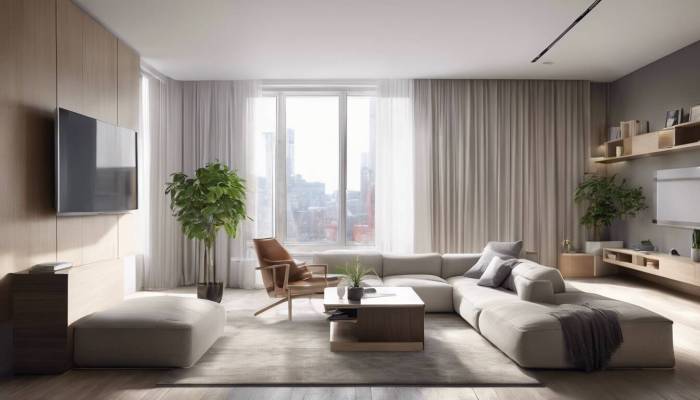
The living room serves as the heart of the home, a space not only for social gatherings but also for personal relaxation and wellness. In today’s fast-paced world, creating an environment that encourages comfort and promotes well-being has become essential. A thoughtfully designed multifunctional living room can enhance mental health, reduce stress, and foster a sense of tranquility.Strategically arranging furniture plays a crucial role in achieving a relaxing atmosphere.
The layout should facilitate easy movement and encourage social interaction while also providing zones conducive to solitary activities. Effective design can transform how we use our living space, creating areas that cater to both relaxation and wellness practices.
Creating Comfortable Zones for Various Activities
Establishing distinct zones within the living room can significantly enhance its multifunctionality. Each zone should cater to a specific activity, allowing residents to engage in diverse experiences without distraction. Consider the following suggestions for creating these zones:
- Social Interaction Zone: Arrange seating in a circular or semi-circular layout to promote conversation and community. Sofas and armchairs should be positioned to face each other, creating an inviting atmosphere for guests and family gatherings.
- Relaxation Nook: Incorporate a cozy corner with a comfortable armchair or chaise lounge, accompanied by soft lighting and plush cushions. This area should be free from visual clutter, encouraging unwinding with a book or simply enjoying quiet time.
- Wellness Corner: Designate a small area for wellness practices, such as yoga or meditation. A yoga mat, a few decorative cushions, and some greenery can transform this space into a calming retreat. Ensure this corner is away from distractions, ideally near a window for natural light.
- Creative Space: If hobbies like art or crafting are part of your routine, include a small table with adequate supplies. Position it near your social zone but with enough separation to foster focus and creativity.
Integrating wellness practices into your living room design not only promotes a healthier lifestyle but also fosters a sense of balance and peace. A dedicated space for yoga or meditation can serve as a daily reminder to prioritize self-care, while reading nooks can inspire moments of quiet reflection.
“The living room should be a sanctuary, a space that nurtures the mind, body, and spirit.”
Incorporating elements such as natural light, plants, and calming colors can further enhance the wellness aspect of your living room. Consider using light, airy curtains to let in sunlight and choosing a color palette that reflects serenity, such as soft blues and greens. By thoughtfully designing a multifunctional living room that emphasizes relaxation and wellness, residents can create a versatile space that meets various needs, from socializing to self-care, ultimately leading to a more balanced and fulfilling lifestyle.
Conclusion
In conclusion, creating a healthy living room is a comprehensive approach that combines knowledge of air quality, allergen management, and thoughtful design. By implementing the strategies Artikeld in this guide, individuals can transform their living spaces into sanctuaries of wellness. A commitment to understanding and improving indoor environments not only enriches personal health but also contributes to a more sustainable and enjoyable living experience.
User Queries
Why is indoor air quality important?
Indoor air quality is vital as it directly affects health, influencing respiratory issues, allergies, and overall well-being.
How can I test the air quality in my living room?
You can use air quality monitors to measure levels of pollutants such as particulate matter, VOCs, and carbon dioxide.
What are some effective plants for improving air quality?
Popular air-purifying plants include spider plants, peace lilies, snake plants, and pothos, known for their ability to filter pollutants.
How often should I clean my living room to reduce allergens?
Regular cleaning, ideally once a week, is recommended to minimize dust accumulation and allergens like pet dander and mold.
What types of lighting are best for creating a calming atmosphere?
Soft, warm lighting from LEDs or natural sources can create a calming atmosphere, promoting relaxation and well-being.