
The Ultimate Smart Living Room: Tech Gadgets for a Cinematic Experience invites readers to explore the transformative power of technology in home entertainment. In an era where immersive viewing is paramount, the smart living room emerges as a sanctuary where innovative gadgets and systems converge to elevate the cinematic experience. Whether it’s through stunning visuals, exceptional audio, or seamless automation, each component plays a pivotal role in redefining how we enjoy films and shows in the comfort of our homes.
As we delve deeper into this topic, it becomes clear that the integration of advanced technologies not only enhances entertainment but also promotes psychological well-being by creating environments conducive to relaxation and enjoyment. The right combination of audio systems, display technologies, and home automation can transform the mundane into the extraordinary, making every movie night an event to remember.
The importance of a smart living room for enhancing home entertainment
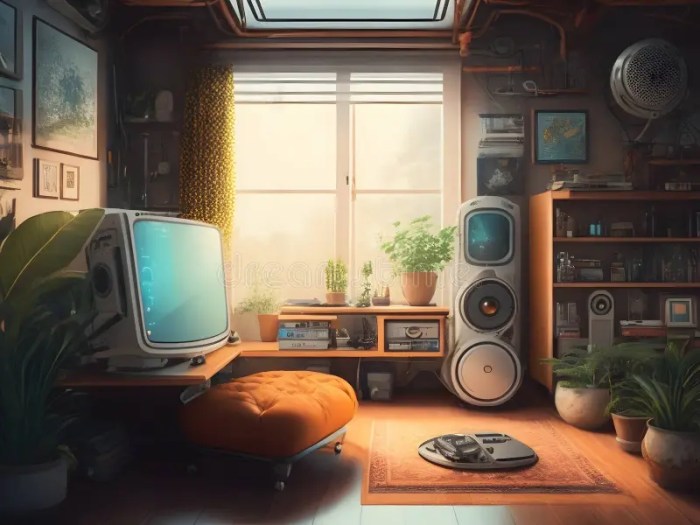
The advent of smart technology has revolutionized the traditional living room, transforming it into a hub of immersive entertainment. A smart living room integrates advanced gadgets and systems that elevate the way we experience movies, music, and gaming. With features like voice control, automated lighting, and high-definition displays, the shift from mere viewing to an engaging cinematic experience is profound.
This article explores how a smart living room enhances home entertainment, offering both psychological benefits and a captivating ambiance.The transition to a smart living room is marked by the integration of various technologies that enhance the viewing experience. Smart TVs equipped with 4K resolution bring stunning image clarity and vibrant colors, while sound systems designed for surround sound create an enveloping audio landscape.
Moreover, smart lighting systems can be programmed to adjust according to the type of content being viewed, dimming during movies or brightening for family shows. This level of control allows users to customize their environment to suit their mood, turning a simple living room into a personalized theater.
Psychological benefits of a well-designed media environment
Creating a well-designed media environment offers considerable psychological benefits that enhance relaxation and enjoyment. The ambiance of a smart living room promotes mental well-being by providing an escape from daily stresses. Research indicates that a thoughtfully arranged space with the right lighting and sound can significantly influence mood and emotional response. Key elements contributing to the cinematic feel in a living room setup include:
- Acoustic Treatment: Proper soundproofing and acoustic panels help minimize external noise and improve sound quality, making for a more immersive experience.
- Seating Arrangement: Comfortable seating with optimal viewing angles allows for extended enjoyment without physical discomfort.
- Visual Aesthetics: Decor that aligns with the theme of the media being consumed—such as movie posters or themed lighting—enhances the overall atmosphere.
- Smart Control Systems: Integrated systems that control audio, video, and lighting via mobile devices or voice commands simplify the user experience, allowing for seamless transitions between various entertainment modes.
By establishing a space that marries technology with comfort, homeowners can create a sanctuary for relaxation that not only entertains but also rejuvenates the spirit. The smart living room is no longer just a trend; it is a testament to the future of home entertainment, promoting connection and enjoyment in an increasingly fast-paced world.
Innovative audio systems that elevate sound quality
In the ever-evolving landscape of home entertainment, audio systems play a crucial role in enhancing the overall cinematic experience. Modern advancements in sound technology have paved the way for innovative audio systems that integrate seamlessly into smart living rooms, delivering superior sound quality that transforms movie nights into immersive experiences. With a variety of options available, homeowners can select systems that best suit their aesthetic and audio needs.Among the most notable advancements are Dolby Atmos soundbars and multi-room audio systems.
These devices utilize advanced sound processing techniques to create a three-dimensional sound environment, allowing for an unparalleled listening experience. Soundbars such as the Sonos Arc and the Samsung Q950T leverage upward-firing speakers to project sound overhead, providing a surround sound effect without the clutter of traditional speaker setups. This technology simulates a three-dimensional audio space, drawing viewers deeper into the cinematic experience.
Comparison of soundbar technologies and traditional speaker setups
When considering options for home audio, it’s essential to evaluate the differences between soundbars and traditional speaker systems. Each comes with its advantages and disadvantages, impacting sound quality and usability.Soundbars are compact and sleek, designed to fit conveniently beneath a television. They are typically easier to set up and require less space than traditional speaker configurations. However, traditional speaker setups, which consist of multiple speakers placed around a room, often deliver superior sound quality and depth, particularly in larger spaces.
Below are key factors to consider when comparing the two technologies:
- Sound Quality: Traditional speakers generally offer richer bass and clearer high frequencies due to dedicated channels, while soundbars are limited by their compact design.
- Setup Complexity: Soundbars can be installed quickly with minimal wiring, whereas traditional systems require more time and effort for optimal placement and calibration.
- Space Requirement: Soundbars are ideal for small living rooms or apartments, while traditional setups might require more room to accommodate various speakers.
- Cost: High-end soundbars can be expensive, but traditional speaker setups can exceed this cost significantly, depending on the quality of the components chosen.
Beyond mere audio reproduction, sound immersion techniques significantly enhance the cinematic experience within a home setting. This involves utilizing spatial audio technology, room calibration systems, and even ambient soundscapes to create an engaging auditory environment. By strategically positioning speakers and utilizing software to optimize sound output, homeowners can replicate the acoustic environments of theaters.
Sound immersion techniques can transform an ordinary movie night into a captivating experience, making viewers feel as though they are part of the action.
Elements such as acoustic panels and soundproofing materials further improve sound clarity and depth, minimizing external noise and enhancing overall audio quality. As technology continues to advance, the integration of innovative audio systems into smart living rooms will enhance the way we consume media, making every viewing experience extraordinary.
Smart display technologies that redefine visual experiences: The Ultimate Smart Living Room: Tech Gadgets For A Cinematic Experience
As the demand for immersive home entertainment continues to rise, smart display technologies have taken a significant leap forward. Innovations such as OLED and QLED have redefined visual experiences, offering unprecedented color accuracy, contrast, and detail. These advancements have not only transformed how content is viewed but also how it is created, enabling filmmakers and content creators to present their work with stunning realism.The evolution of display technologies is marked by two primary contenders: OLED (Organic Light Emitting Diode) and QLED (Quantum Dot Light Emitting Diode).
OLED technology utilizes organic compounds that emit light when an electric current is applied, allowing each pixel to illuminate independently. This results in deep blacks, vibrant colors, and wide viewing angles, making OLED displays ideal for cinematic experiences. Conversely, QLED, developed by Samsung, employs quantum dots to enhance brightness and color volume, providing a brilliant display even in well-lit environments.
The competition between these technologies has led to rapid advancements, with manufacturers continuously pushing the boundaries of color accuracy and picture quality.
Impact of screen resolution and size on viewing experience
Screen resolution and size play crucial roles in enhancing the viewing experience. Higher resolutions such as 4K and 8K deliver greater detail and clarity, making scenes more lifelike and engaging. A 4K resolution offers four times the pixel count of 1080p, resulting in sharper images that allow viewers to notice details previously undetectable. The trend toward larger screens complements this advancement, as sizes ranging from 65 inches to over 85 inches provide a more immersive experience, especially when watching high-definition content.The optimal distance between the viewer and the screen also matters.
For instance, industry standards suggest that viewers sit at a distance of 1 to 1.5 times the screen size for 4K TVs to fully appreciate the enhanced detail. Such considerations ensure that viewers not only enjoy the visual experience but are also enveloped by the story unfolding on screen.
Advantages of using projectors for movie nights
Utilizing a projector instead of a traditional television setup offers unique advantages for creating a cinematic atmosphere at home. Projectors can project images onto a larger surface, enabling a truly immersive experience, especially when displaying content on a screen that is 100 inches or larger. This size creates a theater-like environment, which is particularly appealing for movie nights, making the experience communal and engaging.Moreover, modern projectors now boast impressive resolutions, with many offering 4K capabilities, ensuring that image quality does not suffer despite the increased size.
Projectors also allow for flexible setup options, enabling viewers to adapt their space for the perfect viewing angle and distance. Additionally, the ability to easily switch from a standard screen to a wall or even a portable screen enhances versatility. In summary, the advancements in smart display technologies, including OLED and QLED, combined with the benefits of high resolution and the option of using projectors, fundamentally enhance the home viewing experience, making it more engaging and cinematic.
Home automation systems that control the viewing environment
Home automation systems offer a transformative approach to enhancing the cinematic experience at home. By integrating technology that manages lighting, temperature, and sound, homeowners can create an optimal viewing environment tailored to their preferences. These systems not only amplify comfort but also add a layer of convenience that traditional setups lack.One of the most significant advantages of home automation in the context of film watching is the ability to control various elements of the viewing environment seamlessly.
Automated lighting systems can dim or change the color of the lights to match the mood of the movie, creating an immersive atmosphere. Smart thermostats can adjust the temperature to ensure comfort throughout the film, preventing distractions from outside conditions. Meanwhile, voice-activated assistants like Amazon Alexa or Google Assistant play a critical role by allowing users to manage their entertainment systems with simple voice commands, thereby eliminating the need for multiple remotes or manual adjustments.
Examples of automation setups for the perfect movie-watching atmosphere
Various automation setups can be employed to create an ideal movie-watching environment. These setups often combine smart lighting, temperature control systems, and entertainment controls to enhance the viewing experience. The following points illustrate effective automation solutions:
- Scene-setting lighting: Smart LED bulbs can be programmed to transition through different colors and brightness levels as the movie begins, fading to darkness while enhancing key scenes with subtle lighting changes.
- Temperature control: A smart thermostat can adjust the room’s temperature to a preset level before the movie starts, ensuring a comfortable environment free from the chill of air conditioning or the heat of heating systems.
- Integrated home theater systems: Systems such as the Logitech Harmony Elite can connect and control all devices—TV, sound system, and streaming devices—via a single interface, simplifying the setup for a movie night.
- Voice-activated controls: Using voice commands to initiate movie playback and adjust settings allows for a hands-free experience. For instance, saying “movie time” can trigger a series of automated responses, including dimming lights and lowering shades.
- Automated blackout shades: Installing smart window treatments can prevent outside light from interfering with the viewing experience, creating a theater-like setting even during daylight hours.
With these advanced home automation systems, homeowners can truly elevate their movie-watching experience, turning a simple film night into an immersive cinematic event.
Streaming devices that provide access to endless content
The rise of streaming devices has revolutionized the way consumers access and engage with digital content. These devices not only enhance the cinematic experience in living rooms but also democratize access to a vast array of entertainment options. With options like Roku, Amazon Fire Stick, and Apple TV dominating the market, users can now enjoy an almost limitless selection of movies, shows, and live programming at their fingertips.
The convenience and flexibility offered by these devices significantly improve user experiences and redefine traditional TV viewing habits.
Comparison of Popular Streaming Devices
When selecting a streaming device, it is essential to consider the capabilities each offers. Here’s a detailed comparison of three leading devices: Roku, Amazon Fire Stick, and Apple TV.
- Roku: Known for its user-friendly interface, Roku offers an extensive selection of streaming channels, including popular services such as Netflix, Hulu, and Disney+. It supports various resolutions and streaming formats, including 4K and HDR, ensuring that users get the best picture quality. Roku devices are often praised for their simplicity, making them ideal for users who prioritize ease of use.
- Amazon Fire Stick: The Amazon Fire Stick integrates seamlessly with Amazon Prime Video, making it a compelling choice for subscribers. Its Alexa voice control feature allows users to search for content effortlessly and control other smart home devices. The Fire Stick also supports 4K streaming and HDR, presenting an immersive viewing experience. Additionally, it includes an array of apps beyond Amazon’s ecosystem, enriching content availability.
- Apple TV: Apple TV stands out with its sleek design and integration within the Apple ecosystem. It offers access to a variety of apps and services, including Apple TV+, which hosts original content, and supports high-quality streaming formats like Dolby Vision and Dolby Atmos. With features like AirPlay and Siri integration, Apple TV appeals to users who own other Apple devices, creating a holistic smart living room environment.
The essential features that make a streaming device crucial for a smart living room setup include the following attributes:
- Content Variety: Access to a broad range of streaming platforms ensures users can find entertainment that suits their preferences.
- High-Quality Streaming: Support for 4K and HDR resolutions enhances the viewing experience, providing clearer and more vibrant images.
- User-Friendly Interface: A straightforward interface allows for easy navigation between apps and content, making it accessible for all household members.
- Voice Control: Integration with voice assistants simplifies searching for content and controlling other smart devices within the home.
- Smart Home Integration: Compatibility with smart home systems allows users to manage their home environment seamlessly through the streaming device.
Streaming devices have become integral to modern living rooms, transforming how audiences consume content and interact with their entertainment setups. Their ability to provide diverse options and enhance user experience positions them at the forefront of smart living room technology.
Virtual reality and augmented reality innovations in entertainment
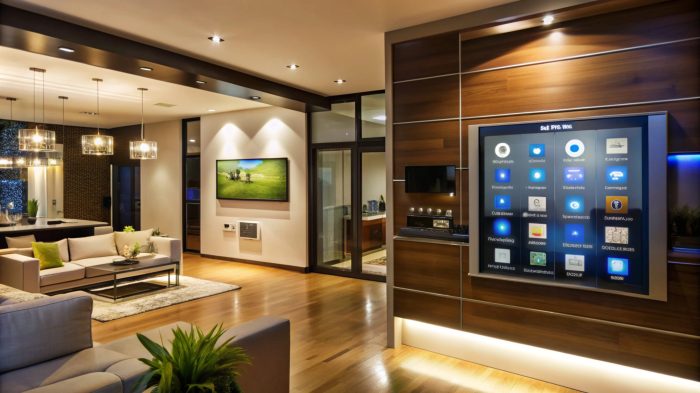
The evolution of virtual reality (VR) and augmented reality (AR) technologies marks a significant turning point in how consumers engage with film and gaming. These immersive experiences have the power to create entirely new narratives that allow audiences to not just watch a story unfold but to actively participate in it, effectively transforming passive entertainment into interactive experiences.VR and AR technologies utilize advanced computer graphics and motion sensing to create dynamic environments that envelop users in a three-dimensional world.
This technology enables viewers to step into their favorite movie scenes or game levels, providing a sense of presence that traditional media cannot match. The emotional engagement and immersive experiences offered by these advancements can profoundly alter perceptions of storytelling and gameplay.
Types of VR and AR gadgets suitable for a smart living room environment
Modern smart living rooms can be enhanced with a variety of VR and AR gadgets designed to seamlessly integrate into existing setups. These devices not only elevate the entertainment experience but also offer practical applications for daily use. Here are several notable gadgets:
- Oculus Quest 2: A standalone VR headset that offers an extensive library of games and immersive experiences without the need for a PC, making it perfect for a smart living room setup.
- HTC Vive Pro 2: Catering to high-end users, this headset delivers stunning visuals and spatial audio, ideal for experiencing cinematic content in VR.
- Microsoft HoloLens 2: This AR headset allows users to interact with holographic content, merging digital elements with the real world, suitable for both entertainment and productivity.
- PlayStation VR: Ideal for console gamers, this device provides an immersive gaming experience by utilizing the existing PlayStation ecosystem.
The integration of VR and AR can significantly enhance various activities. For instance, VR films like “The Invisible Man” can transport viewers into the scene, allowing them to experience the tension and suspense firsthand. Similarly, games such as “Beat Saber” and “Half-Life: Alyx” offer players a chance to physically engage with their environments, creating an exhilarating and memorable experience.
“Virtual and augmented reality are not just new forms of entertainment; they represent the next frontier of human engagement with media.”
Moreover, AR applications like “Pokemon Go” and immersive theater experiences enable audiences to interact with characters and storylines in real-time, blending the digital and physical worlds. By integrating these innovative technologies into home entertainment systems, users can elevate their cinematic and gaming experiences to an unprecedented level.
The role of smart furniture in optimizing the living room experience
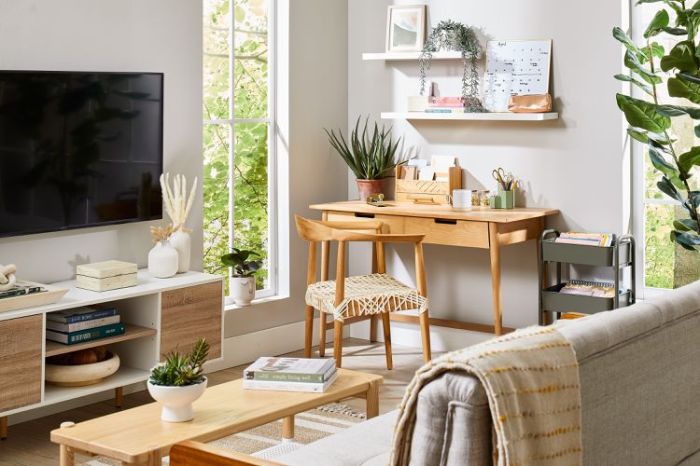
As technology continues to evolve, so does the furniture that complements our modern lifestyles. Smart furniture is at the forefront of this transformation, offering functionalities that enhance comfort and convenience in living rooms designed for cinematic experiences. From smart sofas to automated coffee tables, these innovations are reshaping how we enjoy our living spaces, merging comfort with cutting-edge technology.Smart sofas, equipped with features like built-in speakers, adjustable recliners, and USB charging ports, significantly contribute to an enhanced viewing experience.
These sofas allow users to customize their seating position, ensuring maximum comfort during long movie marathons. Additionally, many smart sofas include integrated heating and cooling options, creating an inviting atmosphere that adds to the enjoyment of a cinematic setting. In contrast, traditional sofas often lack these personalized features, which can limit comfort and convenience.
Comparison of traditional furniture and smart alternatives
When examining traditional furniture against smart alternatives, functionality and aesthetic appeal play crucial roles. Traditional furniture often focuses on basic design and comfort but falls short on technological integration. Smart furniture, on the other hand, merges style with advanced features that cater to contemporary needs.The following points highlight the distinctions between traditional and smart furniture:
- Functionality: Smart furniture provides multi-functional capabilities—such as automated adjustments, integrated tech, and connectivity options—that traditional pieces cannot offer.
- Aesthetic Appeal: Modern smart furniture designs incorporate sleek, minimalist aesthetics that blend seamlessly with contemporary decor, whereas traditional furniture may appear bulkier and less cohesive.
- Convenience: Smart furniture often includes features like mobile app control for adjusting settings and preferences, enhancing user experience far beyond the capabilities of conventional items.
- Space Optimization: Many smart furniture pieces are designed with compactness in mind, making them ideal for small living spaces, unlike traditional options that may occupy excessive space.
Integrating technology into furniture while maintaining style is achievable through innovative design approaches. For instance, furniture manufacturers are now employing high-quality materials that conceal technology, such as wireless charging pads hidden within tabletops or Bluetooth speakers integrated into stylish shelves. Additionally, using modular designs allows users to adapt furniture to their tastes while incorporating tech features seamlessly. As we look at the future of living rooms, it becomes increasingly evident that smart furniture will play an instrumental role in creating the ultimate smart living experience.
This evolution not only elevates comfort and functionality but also ensures that our living spaces remain stylish and reflective of modern technology.
Enhancements through smart lighting for cinematic ambiance
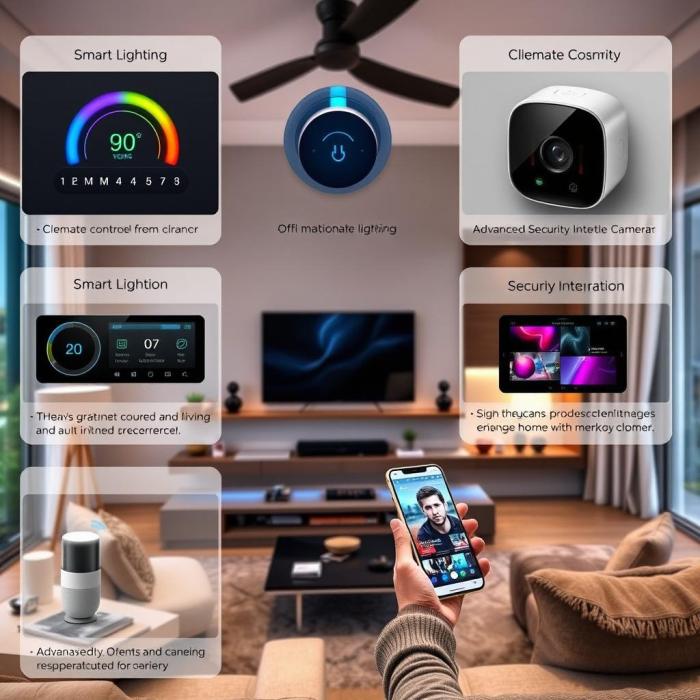
Smart lighting plays a pivotal role in crafting the ideal environment for viewing films, enhancing the overall cinematic experience. The right lighting can transform a standard living room into a theatre-like venue, promoting deeper engagement with the storyline and visuals. By integrating smart lighting systems, movie enthusiasts can tailor their viewing ambiance, thus elevating the emotional impact of each scene.
This technology not only provides convenience but also empowers users to set the tone for the film genre being watched.The impact of color temperature and brightness on the viewing experience cannot be overstated. Research shows that warmer color temperatures (in the range of 2700K to 3000K) create a cozy and inviting atmosphere, ideal for romantic comedies or family films. In contrast, cooler color temperatures (above 4000K) are more suitable for action-packed thrillers, as they simulate daylight, making the space feel more dynamic and energetic.
Moreover, the brightness level significantly influences how viewers perceive the content. Dimmer lights enhance visual focus, allowing the audience to immerse themselves in the film, while brighter settings may distract from the screen, making it harder to appreciate the subtleties of cinematography.Several smart lighting solutions offer adaptable features that cater to diverse movie genres, enhancing the viewing experience. Notable examples include:
- Philips Hue White and Color Ambiance: This system allows users to customize colors and brightness based on the film genre. For instance, switching to a soft blue hue for a sci-fi thriller can evoke a sense of mystery and anticipation.
- LIFX Color A19 LED Bulbs: With the ability to create color scenes, LIFX bulbs can be programmed to set a dramatic red glow for horror movies, amplifying suspense and fear.
- Nanoleaf Light Panels: These modular LED panels can display dynamic lighting scenes that sync with the film’s action, enhancing immersion in genres like action and adventure.
- Wyze Bulbs: Affordable yet effective, these bulbs can be programmed to dim gradually at the start of a film, creating a theatrical feel that signals the beginning of the viewing experience.
Smart lighting not only enhances aesthetics but also promotes a deeper emotional connection with the narrative being presented, making it a vital component of the ultimate smart living room setup for a cinematic experience.
Future trends in smart living room technology
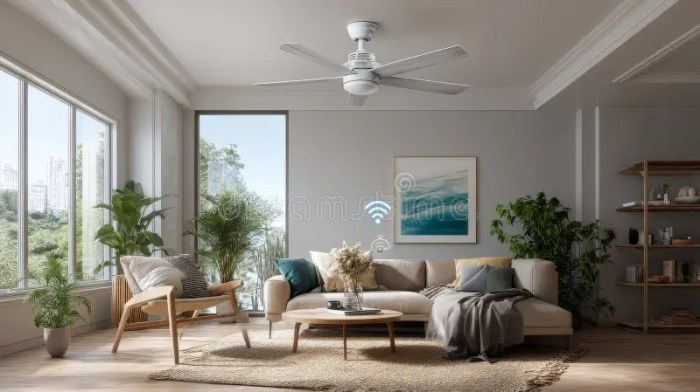
As technology continues to evolve, the smart living room is poised to undergo significant transformations that will redefine home entertainment experiences. Emerging innovations in artificial intelligence (AI), augmented reality (AR), and the Internet of Things (IoT) are paving the way for a more immersive cinematic experience, making homes smarter and more connected than ever before. With advancements in these areas, the future of smart living rooms looks promising, offering unprecedented levels of customization and convenience.One major trend is the integration of AI-powered systems that enhance user interaction with technology.
Smart assistants, such as Amazon’s Alexa and Google Assistant, are becoming increasingly sophisticated, allowing users to control multiple devices with voice commands. This not only simplifies operations but also enables personalized experiences based on user preferences. Home automation systems are expected to learn from user behavior, optimizing settings for lighting, temperature, and even sound quality to create an ideal viewing environment.
Potential innovations enhancing cinematic experiences, The Ultimate Smart Living Room: Tech Gadgets for a Cinematic Experience
Several innovations are emerging that could elevate the cinematic experience in smart living rooms. These include:
- Immersive Audio Technologies: The development of spatial audio systems, which create three-dimensional sound environments, will allow viewers to feel as if they are part of the action. Companies like Dolby are already pioneering technologies that enable sound to move around the room, enhancing the realism of movies and shows.
- Smart Displays and Projection Systems: Future smart TVs and projectors are expected to feature ultra-high-definition displays with advanced color accuracy and brightness. Innovations such as 8K resolution and OLED technology will provide stunning visuals that bring content to life in ways previously thought impossible.
- AR and VR Integration: Augmented Reality and Virtual Reality are set to change how viewers experience content. With AR, users could have interactive elements overlayed on their screens, while VR headsets allow for full immersion in virtual environments, transforming the way stories are told and experienced.
- Adaptive Lighting Solutions: Smart lighting systems that adjust automatically in response to the content being viewed will enhance the atmosphere of any movie night. For example, ambient lighting could change based on the mood of the film, creating a more engaging environment.
The integration of these technologies presents both opportunities and challenges. While the promise of a fully automated and immersive smart living room is enticing, there are hurdles to overcome, such as ensuring compatibility among various devices and managing the complexity that comes with new technologies. Additionally, user privacy and data security concerns will need to be addressed as homes become more connected.
Nonetheless, the potential for enhanced cinematic experiences in smart living rooms is vast, and as technology continues to advance, the boundaries of home entertainment will be pushed further than ever before.
Ending Remarks
In conclusion, the evolution of the smart living room is paving the way for a new standard in home entertainment. By harnessing the latest tech gadgets—from advanced audio systems to dynamic lighting solutions—homeowners can create an immersive cinematic experience unlike any other. As technology continues to advance, the potential for enhancing our viewing environments will only grow, promising exciting innovations that will keep redefining the way we engage with media.
FAQ Section
What are the key components of a smart living room?
The essential components include advanced audio systems, smart display technologies, home automation systems, and innovative furniture designed for comfort and functionality.
How do smart lighting solutions enhance the viewing experience?
Smart lighting allows users to adjust brightness and color temperature, creating the ideal ambiance for different movie genres or moods, which enhances overall enjoyment.
Are virtual reality and augmented reality suitable for home entertainment?
Yes, VR and AR can significantly enhance home entertainment by providing immersive experiences that traditional viewing methods cannot match, allowing for interactive movie and gaming experiences.
What are the benefits of using a projector over a traditional TV?
Projectors can offer larger screen sizes and a more cinematic feel, making them ideal for movie nights, especially in dedicated viewing spaces.
How do streaming devices enhance content accessibility?
Streaming devices like Roku and Apple TV provide access to a vast array of content, user-friendly interfaces, and features that simplify finding and enjoying entertainment.