
7 Modern Living Room Trends 2026: Elevate Your Home with Luxury & Comfort presents a transformative vision for contemporary interiors, highlighting the essential elements that define the modern living space. As we approach 2026, the integration of innovative design concepts, sustainable materials, and advanced technology shapes how we experience comfort and luxury in our homes. This exploration will not only unveil the current trends but also provide insights into how these elements can harmoniously coexist to create inviting and stylish environments.
In today’s fast-paced world, living rooms hold a central place, serving as spaces for relaxation, entertainment, and connection. By examining color palettes, smart technology, multifunctional furniture, and other key trends, we can discover how to transform these spaces into luxurious retreats that reflect personal style and enhance everyday living.
Discuss the critical role of color palettes in modern living room design in 2026.
In 2026, the color palette of a living room plays a pivotal role in defining its character and ambiance, making it a crucial element for homeowners and designers alike. Color influences not just the aesthetic appeal of a space but also the emotional responses it evokes in its inhabitants. The right combination of hues can transform a living room into a sanctuary of luxury and comfort, reflecting individual tastes while enhancing overall well-being.Colors have the power to influence mood, perception of space, and even social interactions.
For instance, warm colors like reds and oranges can create an inviting atmosphere, perfect for lively gatherings, whereas cool colors such as blues and greens tend to foster a sense of calm and tranquility. In modern living rooms, designers in 2026 leverage these attributes to craft spaces that resonate with the residents’ lifestyles and preferences. A well-thought-out color scheme not only highlights architectural features but also defines zones within open-concept layouts, creating intimate settings where comfort reigns.
Trending Color Combinations for Luxury Spaces
As we explore the current trends in color palettes, it’s evident that certain combinations are emerging as favorites in luxury living rooms. These palettes not only showcase elegance but also embody a deeper understanding of how colors interact with light and space. Below are some of the trending combinations:
- Soft Neutrals and Earthy Tones: Combining shades like taupe, beige, and muted greens creates a serene environment that promotes relaxation.
- Deep Jewel Tones: Colors such as emerald green, sapphire blue, and ruby red bring a touch of opulence, especially when paired with metallic accents for a sophisticated look.
- Monochromatic Schemes: Utilizing varying shades of a single color, like different grays or blues, adds depth while maintaining a cohesive and modern feel.
- Accent Colors: Bold pops of color, such as a bright orange or vibrant yellow, can energize the space when used sparingly alongside neutral backgrounds.
The psychological effects of these color choices are profound. For example, blue is known to lower heart rates and promote feelings of peace, while yellow is often linked to happiness and creativity. Therefore, understanding the emotional impact of color is essential for creating living rooms that are not only visually striking but also conducive to a positive state of mind.
In conclusion, color palettes in modern living room design for 2026 are not merely decorative; they are instrumental in shaping experiences and nurturing an environment that balances luxury with comfort. As designers embrace these innovative trends, the interplay of colors will continue to play a central role in crafting spaces that reflect the essence of contemporary living.
Identify the importance of sustainable materials in contemporary living room trends.
As the 2026 design landscape evolves, the emphasis on sustainability in home decor, particularly in living rooms, has become more pronounced. Homeowners and designers alike are prioritizing eco-friendly choices that not only enhance visual appeal but also contribute to a healthier planet. The integration of sustainable materials signifies a shift in consumer expectations, where luxury now marries environmental responsibility.The incorporation of sustainable materials plays a crucial role in modern living room trends, as these choices reflect a broader commitment to environmental stewardship.
Eco-friendly furniture options are plentiful, ranging from reclaimed wood sofas to ethically sourced textiles. Moreover, the rise in demand for sustainable products has incentivized manufacturers to innovate, leading to a variety of stylish, high-quality pieces that meet both aesthetic and ecological standards.
Eco-friendly Furniture Options in 2026
A variety of eco-friendly furniture options are available in 2026, appealing to those who wish to enhance their living spaces without compromising the environment. Sustainable furniture pieces not only embody contemporary design but also offer unique character derived from their materials. The following highlights some of the most notable options:
- Reclaimed Wood: Furniture crafted from reclaimed wood is increasingly popular, offering a rustic charm with a story behind each piece. This type of wood prevents further deforestation by repurposing materials from old structures.
- Bamboo Furniture: Known for its rapid growth and minimal environmental impact, bamboo is a favorite for modern furniture design, providing strength and durability while being lightweight.
- Organic Fabrics: Upholstered pieces made from organic cotton, linen, or hemp ensure that no harmful chemicals are used during production. These materials are not only safe for the environment but also offer superior breathability.
- Recycled Materials: Innovative designs are emerging from the use of recycled plastics and metals, transforming waste into stylish furniture. These pieces often feature modern aesthetics with a sustainable twist.
Sustainability influences luxury design choices by shifting the paradigm of what is considered opulent. High-end brands are increasingly adopting sustainable practices, recognizing that consumers are willing to invest in pieces that resonate with their values. This trend highlights the balance between aesthetics and environmental responsibility, where elegance does not come at the expense of nature.
“Sustainable luxury is about creating beauty that doesn’t just look good but also does good.”
Balancing Aesthetics and Environmental Responsibility
The balance between aesthetics and sustainability is a defining characteristic of contemporary living room design. Designers and consumers now seek furniture that not only captivates the eye but also aligns with ethical standards. This approach challenges the long-held notion that luxury must be synonymous with excessive resource consumption.To illustrate this balance, consider the following aspects of modern design:
- Minimalism: The minimalist design trend promotes simplicity, which often leads to reduced material usage. By focusing on essential elements, designers can create beautiful, functional spaces with a lower environmental footprint.
- Timeless Designs: Investing in timeless pieces ensures that furniture remains relevant for years, reducing the need for frequent replacements and, therefore, waste.
- Local Sourcing: Many luxury brands are now sourcing materials locally to reduce carbon footprints associated with transportation. This practice supports local economies while ensuring high-quality materials.
- Energy-efficient Manufacturing: Companies are adopting energy-efficient processes to produce sustainable furniture, further minimizing their ecological impact.
The trend towards sustainable materials in contemporary living rooms not only enhances the beauty of spaces but also resonates with the growing awareness of our collective responsibility towards the environment. As we move forward, the commitment to integrating luxury with sustainability is likely to shape the future of interior design.
Analyze the integration of smart technology in modern living rooms.
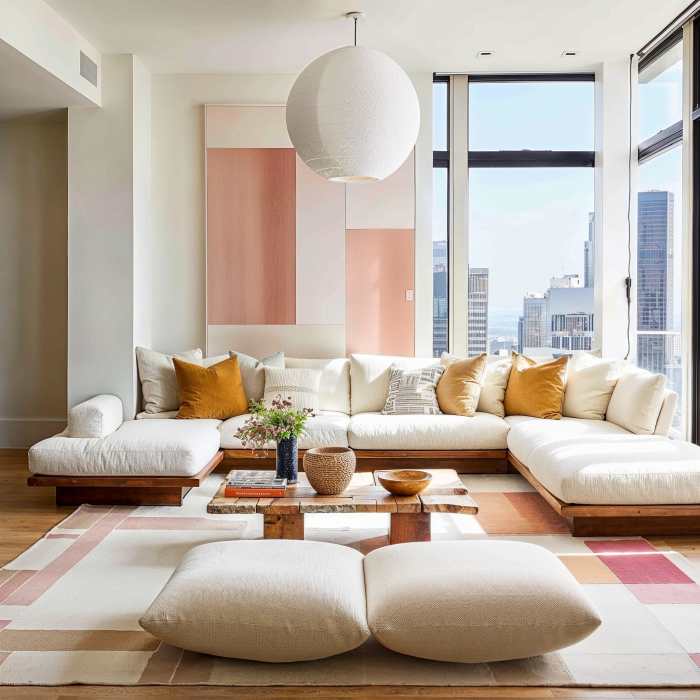
The modern living room is evolving into a hub of comfort and convenience, driven by advancements in smart technology. As consumers increasingly seek to enhance their living spaces, the integration of smart devices is becoming essential for creating an atmosphere that is both luxurious and user-friendly. This transformation not only elevates the aesthetic appeal of homes but also introduces unparalleled levels of convenience and efficiency.Smart technology in living rooms enhances comfort in various ways.
Automated systems allow homeowners to control lighting, temperature, and entertainment systems remotely or through voice commands, making everyday tasks more manageable. For instance, smart thermostats learn user preferences and adjust temperatures accordingly, ensuring a comfortable environment at all times. Additionally, smart lighting can be programmed to create specific moods or be adjusted based on natural light conditions, which contributes to both comfort and energy efficiency.
Comparison of Smart Devices Enhancing Home Aesthetics
The aesthetics of modern living rooms are significantly elevated by smart devices that seamlessly blend functionality with design. The emergence of elegant devices has transformed how these technologies are perceived within home environments. Below are notable examples:
- Smart Speakers: Devices like the Amazon Echo Studio and Apple HomePod combine high-quality sound with sophisticated design, serving as both speakers and voice assistants that complement contemporary decor.
- Smart TVs: Modern smart TVs, such as the Samsung Frame TV, can transform into digital art displays when not in use, allowing homeowners to showcase artwork that enhances their interior spaces.
- Smart Thermostats: Products like the Nest Learning Thermostat feature sleek designs and adaptive technology that not only optimize heating and cooling but also contribute to an uncluttered aesthetic.
- Smart Shades: Automated window treatments can be programmed to adjust based on the time of day, providing both privacy and energy savings while maintaining elegant lines in home design.
The future of home automation in luxury living spaces looks promising, as technology continues to advance. Integrated systems are anticipated to become more intuitive, allowing for seamless communication among devices. For instance, smart home ecosystems might anticipate user behavior and adjust settings proactively, such as dimming lights or playing calming music as residents wind down for the evening. Additionally, developments in artificial intelligence could lead to personalized living experiences, where homes adapt to individual preferences based on past interactions.
Smart home technology will not only enhance convenience and comfort but also redefine luxury living, making it increasingly integrated with everyday life.
Explore the trend of multifunctional furniture in small living areas.
The shift towards multifunctional furniture has become a defining trend in modern interior design, particularly in small living spaces. As urban living evolves, individuals are seeking innovative solutions that allow them to maximize functionality without sacrificing style. This trend not only promotes a more organized environment but also enhances the overall aesthetic of the home, creating a seamless blend of luxury and practicality.Versatility is paramount in modern interior design, especially when it comes to furnishings that serve multiple purposes.
As living areas shrink, the demand for smart, space-saving furniture has surged. Multifunctional furniture pieces provide a solution by serving various roles, thus allowing homeowners to optimize every square inch. For instance, a coffee table that transforms into a dining table can accommodate guests while maintaining space efficiency.
Examples of Innovative Furniture Solutions
Several brands and designers are leading the way in creating multifunctional furniture pieces ideal for compact living situations. These innovations not only provide utility but also incorporate elements of luxury and style.
- Sofa Beds: Modern sofa beds now offer sleek designs that seamlessly blend into the living room during the day and transform into comfortable sleeping spaces at night. Brands like West Elm have perfected this concept with high-quality materials and stylish aesthetics.
- Storage Ottomans: These versatile pieces serve as footrests, extra seating, and valuable storage units for blankets or books, enhancing both comfort and organization. Look for designs that feature elegant upholstery to maintain a luxurious feel.
- Expandable Dining Tables: Ideal for small areas, such as studio apartments, these tables can be compactly arranged for everyday use and expanded for entertaining guests. The adaptability of these tables ensures that they meet varying needs without overwhelming the space.
- Wall-Mounted Desks: Perfect for home offices in small living areas, wall-mounted desks can be folded away when not in use, freeing up valuable floor space while maintaining a chic and functional environment.
Integrating multifunctional pieces into luxury design requires an understanding of both aesthetics and utility. Choosing high-quality materials and timeless designs ensures that these items not only serve their purpose but also enhance the overall elegance of the room. Incorporating colors and textures that complement existing decor can also maximize the impact of these multifunctional elements.
The essence of luxury in multifunctional furniture lies in its ability to offer elegance without compromising on practicality.
Rising Popularity of Biophilic Design Elements in Living Rooms
The trend of biophilic design in modern living rooms is reshaping how we perceive and interact with our indoor environments. As the world becomes increasingly urbanized, the desire to reconnect with nature has given rise to innovative design philosophies that integrate natural elements into our homes. This movement emphasizes the visual and psychological benefits of incorporating nature-inspired features into living spaces, ultimately enhancing comfort and luxury.Biophilic design revolves around the concept that humans have an innate affinity for nature.
Scientific studies suggest that incorporating natural elements indoors can significantly improve well-being, enhance mood, and even boost productivity. The psychological impact of natural light, plants, and organic materials fosters a sense of tranquility and connection to the outside world, which is often lost in modern urban living. By embracing this design philosophy, homeowners can create spaces that not only look beautiful but also promote mental health and emotional balance.
Key Plants and Features Promoting a Natural Aesthetic
To effectively implement biophilic design in living rooms, certain plants and features can dramatically transform the atmosphere. The selection of greenery and natural materials plays a crucial role in achieving a seamless blend between indoor and outdoor environments. The following elements are integral to establishing a biophilic aesthetic:
- Indoor Plants: Foliage such as snake plants, pothos, and peace lilies not only purify the air but also add vibrant color and texture to the space. Incorporating a living wall or vertical garden can serve as a stunning focal point.
- Natural Light: Large windows, skylights, and glass doors maximize daylight, creating an open and airy feel. Sunlight enhances the visual appeal of the room and helps to regulate circadian rhythms.
- Organic Materials: Utilizing wood, stone, and natural fiber textiles in furniture and decor connects the interior with the natural world. This can include reclaimed wood shelves or stone accent walls.
- Water Features: The sound of water can evoke a sense of calm. Incorporating small indoor fountains or aquariums can enhance the sensory experience of a living room.
- Nature-Inspired Artwork: Art depicting landscapes, flora, and fauna can bring the essence of nature indoors, further enriching the environment.
Incorporating biophilic elements into luxury decor not only elevates the aesthetic appeal but also promotes health and well-being. The integration of nature within living spaces fosters a serene ambiance, encouraging relaxation and mindfulness. As homeowners seek to create sanctuaries that reflect their values and aspirations, biophilic design emerges as a compelling solution that harmonizes luxury with comfort, ultimately enhancing the quality of life within the home.
Detail the significance of texture in creating a luxurious living room atmosphere.
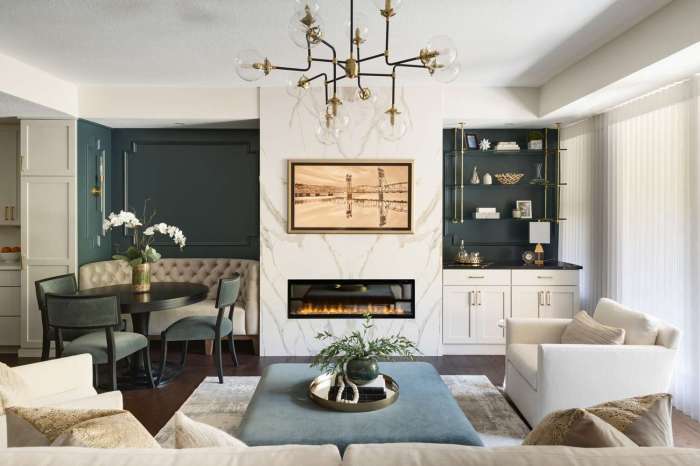
The significance of texture in a living room extends beyond aesthetics; it plays a crucial role in shaping the atmosphere and overall experience of the space. Texture adds depth and interest, transforming a standard room into a luxurious haven. In 2026, as homeowners increasingly prioritize comfort alongside elegance, the choice and combination of textures will become pivotal in design. Texture influences how a space feels, both physically and emotionally.
Various materials can enhance the tactile experience, encouraging interaction and engagement within the living room. Smooth surfaces can evoke a sense of calm, while rough textures can introduce a layer of intrigue. Some materials that significantly contribute to this luxurious feel include velvet, silk, leather, and natural fibers like jute or wool. Each material brings its unique characteristics and sensory responses, inviting users to explore the richness of their surroundings.
Layering different textures to elevate design
Layering textures is a fundamental technique in achieving a sophisticated and inviting living room design. The interplay of various materials can create a dynamic yet cohesive look, enriching the visual experience. To effectively layer textures, consider the following materials and their combinations:
- Soft textiles: Incorporate plush cushions, velvet throws, and soft area rugs to create a warm and inviting atmosphere.
- Natural elements: Utilize wood, stone, or rattan to add organic textures that contrast beautifully with softer materials.
- Metal accents: Introduce metallic finishes through light fixtures or decorative objects to enhance elegance and reflect light.
- Glass surfaces: Use glass tables or decor to provide a sleek, contemporary touch that also adds depth through reflection.
Combining these elements thoughtfully can transform a simple living room into a multi-dimensional space that invites touch and exploration. For instance, a velvet sofa paired with a chunky knit throw and a sleek metal coffee table can create an intriguing contrast that embodies both comfort and style.
Achieving a cohesive look with varied textures
To maintain a sense of cohesion while incorporating a variety of textures, it is essential to establish a common color palette or theme. This approach ties together disparate elements, ensuring they work harmoniously. Here are some strategies to achieve this balance:
- Color consistency: Choose a color scheme that resonates throughout the textures, such as neutral tones with varying shades to unify the space.
- Repetition of materials: Incorporate similar textures in different areas; for example, if you use rattan in a chair, consider a rattan basket to reinforce the theme.
- Varying scale: Mix textures of different scales, such as a large, cozy area rug with smaller decorative pillows, to create visual interest without overwhelming the space.
- Focus on functionality: Select textures that not only appeal visually but also serve practical purposes, enhancing comfort and usability.
Employing these strategies ensures that the different textures within the living room contribute to a cohesive design narrative, enhancing the luxurious feel while maintaining a comfortable environment. As homeowners continue to explore the boundaries of modern design, the thoughtful integration of texture will remain key to creating inviting and sophisticated living spaces.
Analyze the role of lighting in setting the ambiance of modern living rooms.: 7 Modern Living Room Trends 2026: Elevate Your Home With Luxury & Comfort
Lighting plays a pivotal role in defining the mood and functionality of modern living rooms. In 2026, as aesthetics lean towards luxury and comfort, the integration of sophisticated lighting solutions has become essential for creating an inviting atmosphere. The right lighting not only illuminates the space but also enhances the overall design, making it a critical element in modern interior design.The perception of design is heavily influenced by lighting, which can alter the appearance of colors, textures, and spatial dimensions.
Natural light enhances a room’s architecture and can make spaces feel larger and more open. In contrast, artificial lighting creates focal points and can be adjusted to suit various activities, from relaxing to entertaining. As stated by interior design expert Susan Kelechi Watson, “Lighting is the brush that paints the room’s vibe.” This metaphor emphasizes how different lighting styles can transform the ambiance and feel of a living room, making it essential for designers to consider both the quality and quantity of light.
Types of Lighting Options for Luxury and Comfort
To create an atmosphere that embodies luxury and comfort, homeowners can explore a variety of lighting options. Each type serves distinct purposes while contributing to the overall design aesthetic. To enhance the ambiance, consider the following lighting options:
- Ambient Lighting: This is the primary source of light in a room, often provided by ceiling fixtures. Dimmable options allow for mood adjustments.
- Task Lighting: Designed for specific activities, task lighting—such as reading lamps or under-cabinet lights—enhances functionality.
- Accent Lighting: Used to highlight artwork or architectural features, accent lighting adds depth and character to the space.
- Natural Lighting: Utilizing windows, skylights, and glass doors maximizes daylight, creating a seamless indoor-outdoor connection.
Integrating these lighting types strategically can create a layered effect, allowing homeowners to adjust brightness levels throughout the day.
Strategies for Integrating Natural and Artificial Lighting
A balanced approach to lighting involves harmonizing natural and artificial sources. This integration not only promotes efficiency but also enhances the room’s aesthetics. Several strategies can be employed to achieve this balance:
- Utilize sheer curtains to diffuse natural light while maintaining privacy.
- Incorporate smart lighting systems that adjust based on the time of day, optimizing energy use and ambiance.
- Position mirrors to reflect natural light and expand the room visually.
- Use a mix of warm and cool-toned LED bulbs to replicate the natural spectrum of sunlight.
By thoughtfully combining natural and artificial lighting, homeowners can elevate their living spaces to meet both luxurious and comfortable standards, catering to modern living demands.
Discuss the influence of vintage and retro styles on contemporary living room decor.
In recent years, vintage and retro styles have gained immense popularity in contemporary living room decor, offering a refreshing blend of nostalgia and modernity. Homeowners are increasingly drawn to the warmth and character that vintage pieces bring, creating spaces that feel both luxurious and inviting. This trend reflects a broader desire for individuality and personalization in home design, allowing people to express their unique tastes through curated collections of historic elements.Blending modern and vintage elements in living room decor requires a keen eye for design and an appreciation for the stories behind the pieces.
Successful combinations often involve contrasting clean lines of modern furniture with the intricate detailing of vintage finds. For instance, a sleek, minimalist sofa can be beautifully complemented by an ornate, mid-century coffee table. This juxtaposition not only enhances visual interest but also highlights the craftsmanship of the vintage items.
Key Pieces That Add Character to Luxury Spaces
Incorporating specific vintage elements can dramatically elevate the character of any luxury living space. Here are some key pieces that serve as focal points while harmonizing with contemporary aesthetics:
- Mid-Century Modern Furniture: Iconic pieces such as Eames lounge chairs or Danish teak sideboards can add sophistication while maintaining functionality.
- Antique Lighting Fixtures: Chandeliers or sconces from earlier eras create a striking contrast to modern decor, imparting a sense of history and elegance.
- Curated Art Collections: Vintage artwork and prints can serve as conversation starters, offering a glimpse into the past while enhancing the overall decor.
- Textiles and Rugs: Vintage Persian or kilim rugs provide warmth and texture, grounding a space that might otherwise feel stark or impersonal.
- Decorative Accessories: Items like retro clocks, vintage vases, or unique sculptures can add layers of interest and depth to modern interiors.
The emotional connection evoked by vintage items can significantly enhance the ambiance of a contemporary living room. Each piece often carries a story, whether it belonged to a cherished family member or represents a particular era that resonates with the homeowner. This intrinsic value fosters a deeper appreciation for the decor, transforming a mere living space into a personal narrative filled with memories and emotions.
Ultimately, blending vintage and modern elements not only beautifies a home but also creates a living environment rich with history and meaning, inviting owners and guests alike to connect with the past while enjoying the comforts of modern luxury.
Explore the trend of personalized art and decor in living room design.
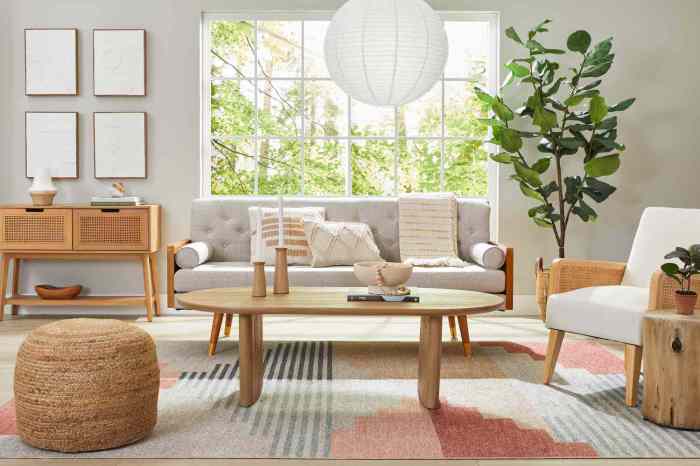
The modern living room is evolving into a space that not only reflects comfort and luxury but also embodies the individuality of its inhabitants. Personalized art and decor are becoming integral components of contemporary home design, emphasizing the need for spaces that resonate with personal stories and unique aesthetic preferences. As homeowners seek to create environments that reflect their identities, the importance of curating a personalized art collection becomes paramount.Individuality in home spaces enhances the emotional connection between the inhabitants and their environment.
Home is not merely a shelter; it is a canvas for self-expression. Personalized art transforms living rooms into vibrant narratives that tell stories, evoke memories, and evoke feelings. In a world increasingly dominated by mass-produced decor, the trend towards individualized art signifies a cultural shift towards authenticity and a desire for connection. This cultural movement underscores the importance of showcasing individual tastes and experiences through art, which subsequently fosters a deeper sense of belonging and comfort within one’s home.
Curating a Personal Art Collection
To curate a personal art collection that resonates with one’s style, it is essential to start by identifying personal tastes and preferences. Collecting art should be a joyful journey rather than a stressful endeavor. Consider the following strategies to guide the curation process:
Reflect on Personal Experiences
Look for pieces that resonate with significant life events or cherished memories. Art that reflects personal history often holds greater emotional value.
Explore Diverse Art Forms
Incorporate various art styles, including paintings, sculptures, photography, and textiles. This diversity can create a dynamic aesthetic that reflects multifaceted interests.
Attend Local Art Shows and Galleries
Engaging with local artists and their work not only supports the community but also allows for discovering unique pieces that may not be found in mainstream outlets.
Utilize Online Platforms
Websites dedicated to art sales and auctions can provide access to a wider array of artworks. Many contemporary artists showcase their work online, enabling collectors to discover new talent easily.
Methods for Displaying Art, 7 Modern Living Room Trends 2026: Elevate Your Home with Luxury & Comfort
The manner in which art is displayed can significantly enhance the overall design aesthetic of a living room. Thoughtful arrangements can elevate the ambiance, making the space feel more cohesive and inviting. Here are effective methods for displaying art:
Gallery Walls
Creating a gallery wall offers an excellent way to showcase multiple pieces while allowing for creativity in layout and framing. Consider varying frame styles and sizes to add visual interest.
Focal Points
Select a statement piece to serve as a focal point in the room. This approach draws attention and sets the tone for the living space while surrounding elements can complement this centerpiece.
Layering Textures
Mix different materials and textures in the display, such as pairing framed art with textiles or three-dimensional pieces. This layering can add depth and complexity to the design.
Strategic Lighting
Use lighting to highlight artworks effectively. Adjustable spotlights or wall sconces can create dramatic effects, enhancing the visual appeal and creating mood.By integrating personalized art and decor into living room designs, homeowners can transform their spaces into authentic reflections of themselves, facilitating a richer living experience.
Conclusion
In summary, the 7 Modern Living Room Trends 2026: Elevate Your Home with Luxury & Comfort not only embraces the aesthetics of luxury but also prioritizes functionality and sustainability. As these trends evolve, they remind us that our living spaces should be a reflection of who we are, blending comfort, elegance, and modernity. By incorporating these concepts, homeowners can create environments that not only look good but feel good, fostering a sense of well-being and harmony in daily life.
FAQ Compilation
What are the latest color trends for living rooms in 2026?
The latest color trends include soothing neutrals paired with vibrant accent colors, promoting a balance between calmness and energy.
How can I incorporate smart technology into a luxury living room?
Smart technology can be integrated through devices like automated lighting systems, smart thermostats, and voice-activated assistants that enhance comfort and efficiency.
What are some eco-friendly furniture options for modern living rooms?
Eco-friendly furniture options include pieces made from reclaimed wood, recycled materials, and sustainably sourced fabrics, which contribute to a stylish yet responsible design.
How can I make a small living room feel more spacious?
Using multifunctional furniture, light color schemes, and mirrors can enhance the perception of space in smaller living areas.
What are the benefits of biophilic design in living rooms?
Biophilic design enhances indoor environments by incorporating natural elements, which can improve mood, reduce stress, and promote overall well-being.